
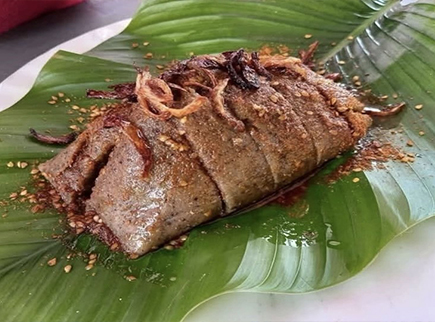
From the mist-covered northern plains to the bustling streets of Accra, the rhythmic thumping of a wooden paddle against a clay bowl signals the rising popularity of tubani, a traditional Ghanaian delicacy now gaining recognition for its nutritional and cultural value.
Often perceived as a simple bean cake, culinary experts and health professionals describe the steamed cowpea-based meal as a rich blend of history, health, and heritage.
Mrs Mariama Musa, a caterer and advocate of traditional cuisine, described tubani as an “undisputed powerhouse” of the Ghanaian diet.
In an interview with the Ghana News Agency (GNA), she explained that the dish originated from northern Ghana among ethnic groups such as the Dagombas, Mamprusis, and Gonjas.
“Tubani did not just appear; it was crafted by our ancestors who needed food that could withstand the Sahelian heat and provide long-lasting energy for farming activities,” she said.
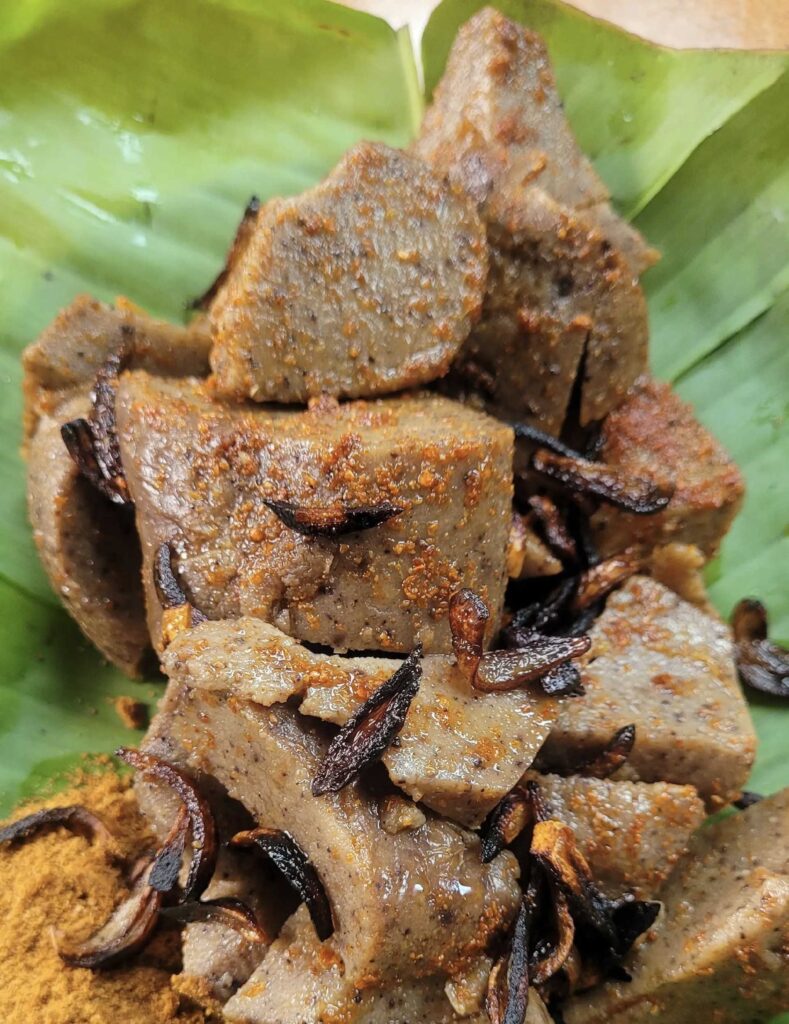
She noted that preparing tubani requires precision and skill. Cowpeas are ground into fine flour and mixed with water and saltpetre to form a batter.
According to her, the signature light texture depends on vigorous whisking to incorporate air into the mixture.
“If you don’t beat it well, it becomes heavy. But when done right and wrapped in Thaumatococcus daniellii leaves for steaming, it becomes silky and light,” she added.
Ms Fatimatu Kpanti Ibrahim, a professional nurse with a family history of preparing tubani spanning three generations, highlighted the health benefits of the dish.
“In an era of processed foods, tubani remains a natural source of nourishment,” she said, explaining that it is rich in plant-based protein, which supports muscle repair, and high in fibre, aiding digestion and providing sustained energy.
She added that the meal is naturally gluten-free and beneficial for heart health, making it suitable for preventing lifestyle-related diseases.
Beyond its nutritional value, both experts emphasised the emotional and cultural significance of tubani.
Ms Ibrahim said the dish evokes a sense of identity and belonging, particularly among people from northern Ghana.
“When people eat tubani, they are tasting home. Today, it has become a meal that brings pride and satisfaction to many Ghanaians,” she said.
She added that when served with spicy oil, onions, and other accompaniments, tubani offers not only nourishment but also comfort and cultural connection.
As the delicacy gains popularity in urban centres such as Accra and Kumasi, it is increasingly being seen not just as food, but as a symbol of Ghanaian resilience and indigenous knowledge.