
Dr Marion Okoh-Owusu, Western Regional Director of Health Services, has stated that achieving high-quality primary healthcare will be a key priority for 2026, with a focus on improving public perception of care, especially during emergencies.
She said a regional dialogue involving all agencies under the Ministry of Health and other stakeholders would be organised to map out strategies to achieve the objective.
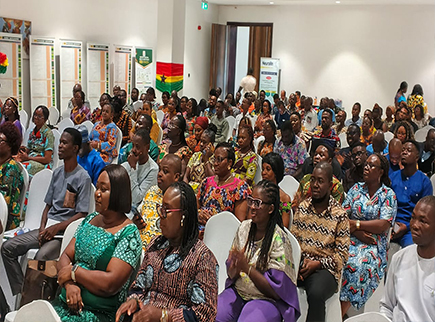
Dr Okoh-Owusu made this known at the opening of the 2025 Annual Performance Review Meeting of the Western Region in Takoradi, held on the theme: “Achieving High-Quality Primary Health Care: The Role of All Stakeholders.”
She noted that public health emergencies continued to pose threats to the population, citing a May 2025 Mpox outbreak in the Region, which was contained through a vaccination campaign supported by partners and the Ministry.

She assured that the Directorate would intensify efforts to ensure accessible and quality primary healthcare delivery across the Region.
“Our mandate extends beyond ending preventable diseases. We must move from just survival to thriving and transforming lives,” she said.
Dr Okoh-Owusu also highlighted the growing burden of non-communicable diseases in the Region, including hypertension, diabetes, malnutrition, overweight, undernutrition, and micronutrient deficiencies.
She said the Service would focus on disease prevention and management, reducing avoidable disabilities and premature deaths, and promoting health equity.
Outlining the outlook for the year, she said efforts would be directed at strengthening community-based services, ensuring free primary healthcare, and improving health facilities to be cleaner, user-friendly, well-equipped, and operational 24 hours a day under CCTV-monitored environments.
“Let us recommit to healthcare that focuses on health promotion—one that empowers people to take charge of their own health rather than being passive recipients of care,” she added.
Dr Okoh-Owusu encouraged young doctors and nurses posted to the Region to give off their best, describing such postings as rewarding rather than punitive.
She commended health leaders, teams, the clergy, and the Muslim community for their continued support and collaboration.
She also noted that the review meeting had been reformed to include holistic assessments and peer reviews to enhance accountability, share best practices, and promote community involvement.
Mr Joseph Nelson, Western Regional Minister, said achieving quality primary healthcare required the active collaboration of stakeholders, including health professionals, government institutions, development partners, traditional authorities, community leaders, the private sector, civil society organisations, and the public.
He commended the Ghana Health Service for its dedication and resilience in improving healthcare delivery despite challenges.
“The resilience and professionalism of health workers continue to have a positive impact on the health and well-being of our people,” he added.