
The Water Resources Commission (WRC) has raised concerns over increasing human activities that are threatening groundwater levels and quality in the White Volta Basin, warning that millions of people risk losing access to safe water if urgent measures are not taken.
Mr Jesse Kazapoe, the Head of the White Volta Basin at the Commission, said illegal mining, sand winning, deforestation, and poor environmental practices were contaminating vital water sources and undermining water security in northern Ghana.
Speaking in Bolgatanga during an engagement with selected journalists from the Upper East and Northern Regions, Mr Kazapoe noted that about 80 per cent of the population within the Basin, estimated between 3.5 and four million people, depended on groundwater for their daily water needs.
He cautioned that unregulated mining activities, particularly illegal gold and sand mining, posed a major threat, as miners often dug deep and encountered groundwater, increasing the risk of contamination.
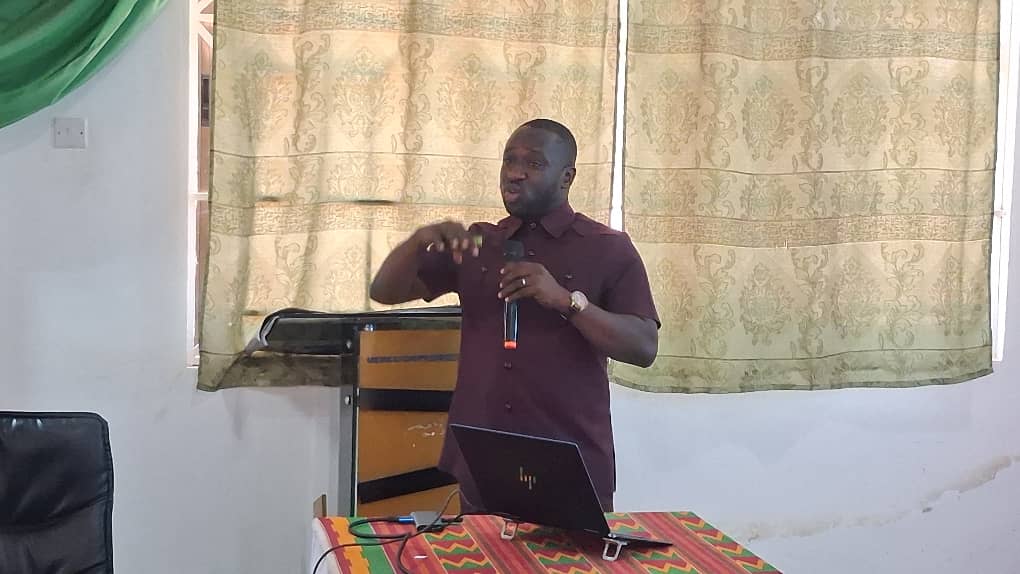
“Once groundwater is contaminated, millions of people will be left without safe water,” he said.
Mr Kazapoe also highlighted the impact of sand winning upstream, which he said had contributed to the pollution of major water bodies, including the White Volta River.
According to him, the situation had made water treatment more expensive, especially for urban centres such as Tamale, which rely heavily on the river for their water supply.
He explained that the high levels of sediment in the water forced treatment plants to use excessive chemicals and even divert up to 30 per cent of treated water to clean their systems, reducing the volume available for distribution to households.
“This is water that could have served thousands of homes,” he stressed.
Beyond mining activities, Mr Kazapoe identified deforestation as another critical factor affecting groundwater levels and quality, stressing that widespread tree felling for construction and charcoal production was exposing the environment to climate change impacts, ultimately reducing water availability.
He added that unsustainable farming practices along riverbanks, including the use of agrochemicals, also contributed to water pollution, as runoff during rains carried harmful substances into water bodies, destroying aquatic life.
He also cited poor waste disposal and unregulated drilling of boreholes as emerging threats to groundwater sustainability and called for collective efforts to address the challenges.
Mr Kazapoe emphasised that effective water resource governance and management required collective responsibility, urging stakeholders to be mindful of how their activities impacted the environment.
“Our livelihoods and actions affect the water resources we depend on. If we are not vigilant, we will damage them beyond recovery,” he warned.
Despite the challenges, he highlighted some interventions by the Commission, including catchment protection efforts around the Vea Dam and innovative greywater recycling projects in schools, aimed at reducing pollution and promoting sustainable water use.
Mr Kazapoe called on the media to intensify public education on water conservation issues and integrated water resources management, noting that awareness creation was key to driving behavioural change and policy action.
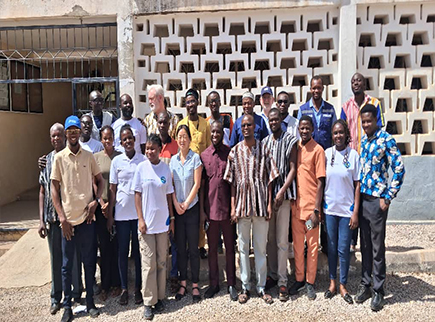
The engagement, organised by the WRC, formed part of the implementation of the Blue Deal project, an integrated approach to nature-based solutions and water resources governance in the White Volta Basin, with funding support from the Dutch Water Authorities.
The 12-year project seeks to promote access to clean and safe water for over 20 million people worldwide by 2030 through building the capacity of governmental institutions and other relevant stakeholders to improve water resources management and governance.
Dr. Justice Aduko, the Blue Deal Manager for the White Volta Basin of the WRC, noted that, as part of the project’s interventions, environmental chiefs had been enskinned in the Bongo Traditional Area, contributing significantly to environmental protection.
He said water was life, and its protection and management were a shared responsibility, and called for collective efforts to protect the environment and other water-related resources.