
Research conducted by the Ghana Center for Democratic Development (CDD-Ghana) has called for the depoliticisation of Metropolitan, Municipal and District Assemblies (MMDAs) as a critical step towards improving effectiveness, accountability and citizen trust in local governance.
The research noted that the current system, where Metropolitan, Municipal and District Chief Executives (MMDCEs) are appointed by the President, tended to reinforce upward accountability to the central government rather than responsiveness to local citizens.
It, therefore, called for a transition towards a merit-based and competitive selection process for MMDA heads, alongside stricter enforcement of non-partisan principles in local governance.
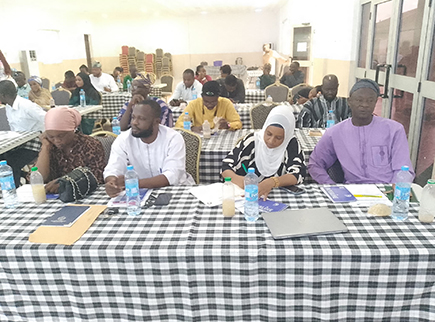
The findings were presented at a day’s national stakeholder workshop in Tamale to disseminate a research report titled, “Resetting Ghana’s Local Governance System for Enhanced Effectiveness.”
The workshop, organised by CDD-Ghana with support from the Foreign, Commonwealth and Development Office (FCDO), brought together policymakers, civil society actors, traditional authorities, technical experts and the media to deliberate on reforms needed to strengthen Ghana’s decentralisation system.
The study, which covered 24 MMDAs across 12 regions, employed ethnographic methods, key informant interviews and focus group discussions to examine the practical functioning of decentralisation in Ghana.
It identified key structural and institutional bottlenecks, including weak financial autonomy, limited citizen participation and ineffective sub-district structures such as Unit Committees and Area Councils.
Mr Nana Kwabena Aborampah Mensah, Programmes Manager at CDD-Ghana, presenting the report, said that although Ghana’s local governance system was legally designed to operate on a non-partisan basis, political interference continued to shape decision-making processes at the district level.
He said the findings indicated that political considerations influenced project prioritisation, resource allocation and the distribution of basic amenities in many districts.
“Despite the non-partisan legal framework, political affiliation plays a significant role in local governance, affecting equity, accountability and service delivery,” he said.
The report also emphasised the need to enhance the financial autonomy of MMDAs through improved mobilisation of Internally Generated Funds, timely and full disbursement of the District Assemblies Common Fund, and increased transparency in financial management.
Ms Persis Naamzug Ali Lezuabah, also of CDD-Ghana, said the findings highlighted a persistent gap between Ghana’s strong legal framework for decentralisation and its implementation in practice.
“While our decentralisation framework remains robust on paper, growing evidence suggests that its implementation continues to face significant challenges, including political interference, weak accountability systems, limited financial autonomy and low citizen engagement,” she said.
She noted that public dissatisfaction with MMDA performance remained high, with many citizens feeling excluded from decision-making processes.
Participants at the workshop also discussed the role of political parties in local governance, highlighting tensions between Members of Parliament and MMDCEs in some districts, as well as concerns over the influence of party politics on administrative functions.
The workshop further explored proposals to strengthen grassroots governance structures by revitalising Unit Committees and Area Councils through dedicated funding and capacity-building.
Mr Abdul Hafiz Adam, Gushegu Municipal Chief Executive, commended CDD-Ghana and its partners for the initiative, describing it as timely and essential for promoting effective local governance.
He emphasised the need to empower traditional authorities to complement government efforts in advancing inclusive development at the local level.