
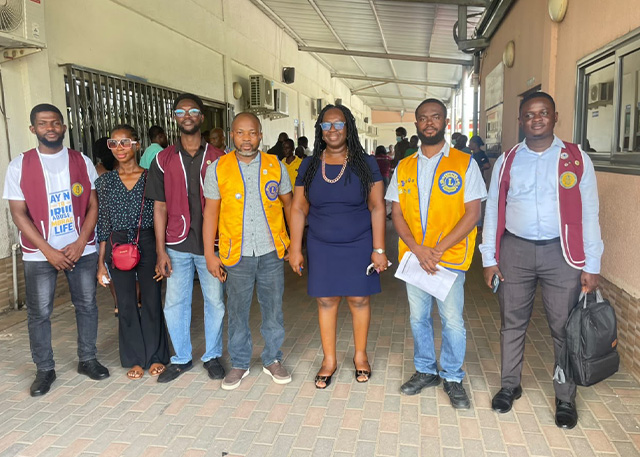
The Leo District 418 Ghana of the Lions International has called for improved access to eye-care services, particularly in underserved communities, to promote early detection and prevent avoidable vision problems.
Mr Jasmine Kekeli Cudjoe Sosu, the Leo District Service Chairperson, made the call during an eye-health awareness and screening exercise organised in collaboration with the Lions International Eye Centre at the Korle Bu Teaching Hospital, to commemorate World Sight Day 2026.
The exercise, held on the theme, “Love Your Eyes,” aimed to raise awareness about the importance of regular eye examinations and good eye health.
Activities included an educational talk on eye health, the refurbishment of the Centre’s faded signboard, and free eye screening and vision assessments for patients and their relatives.
Mr Sosu said selected beneficiaries who required corrective lenses were provided with free spectacles based on recommendations from eye-care professionals.
He urged the public to prioritise regular eye examinations and seek professional attention whenever they noticed changes in their vision, rather than resorting to self-medication or unqualified sources of advice.
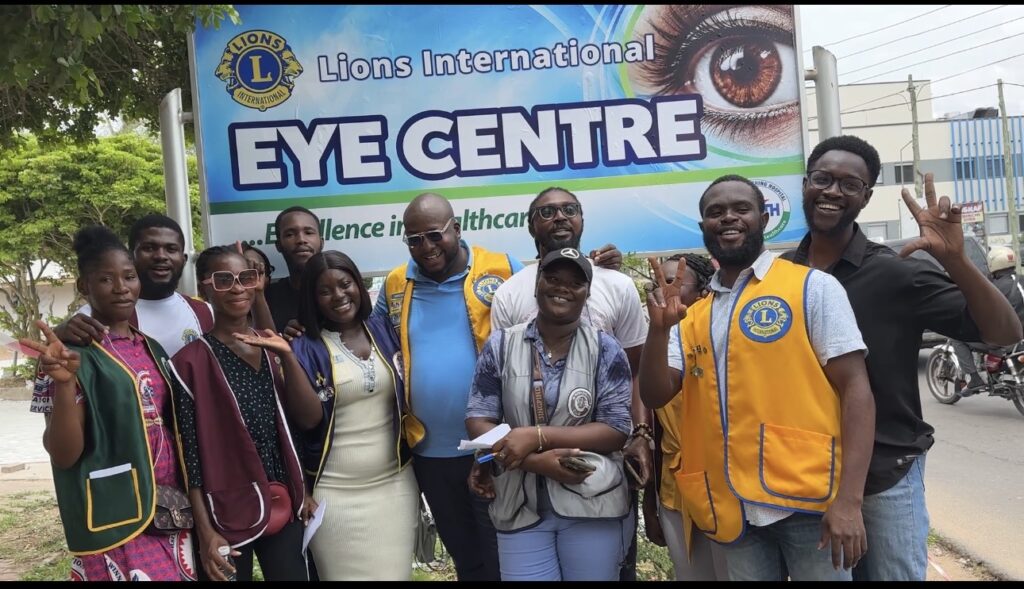
Mr Sosu said the organisation would pursue further collaborations with eye-care professionals, health institutions, and Lions and Leo Clubs to expand community-based screening and education programmes, particularly for schools, vulnerable groups and underserved communities.
Dr Naa Naamuah Tagoe, the Head of Department of the Lions International Eye Centre at the Korle Bu Teaching Hospital, urged the public to undergo regular eye examinations to prevent avoidable blindness and ensure early treatment of eye conditions.
She said early detection was particularly important for conditions such as glaucoma, which could cause irreversible blindness if not diagnosed and managed promptly.
She recommended annual eye examinations, particularly for people aged 30 and above and those with a family history of glaucoma, explaining that the condition could progress without noticeable symptoms while damaging the optic nerve.
Unlike cataracts, which could be treated through surgery, she said, blindness caused by glaucoma was irreversible, making early diagnosis and consistent use of prescribed medication essential.
Dr Tagoe encouraged parents to promote outdoor activities among children and arrange regular eye checks, warning that prolonged screen use and limited outdoor activity had been associated with increasing short-sightedness in children.
She cautioned parents to seek prompt medical attention if children developed unusual eye movements or a white, cat-like reflection in the eye, which could indicate retinoblastoma, a potentially life-threatening eye tumour.
The Head of Department advised the public against using herbal preparations or unprescribed medication in the eyes, warning that such practices could damage the cornea and cause serious complications.
“People with diabetes and hypertension should have their eyes examined at least once a year because the conditions could affect vision and cause serious retinal complications,” she added.
Dr Tagoe urged patients to follow prescribed treatment, ask questions during hospital visits and seek professional care for any unusual eye symptoms instead of self-medicating.
She said regular eye examinations and timely treatment remained essential to preserving sight and preventing avoidable blindness.