
Chief Inspector Samuel Hlordzi of the Ashaiman Divisional Domestic Violence and Victim Support Unit (DOVVSU) has identified home socialisation practices and entrenched societal norms as the primary drivers of gender-based violence (GBV).
Chief Inspector Hlordzi explained that boys are often raised with a sense of superiority, while girls are socialised into submissive domestic roles, creating unequal power relations that later manifest as violence.
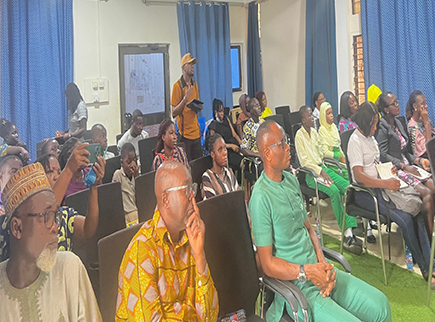
He made this observation at a district-level dialogue on sexual and gender-based violence among youth and persons with disabilities at the Ashaiman Municipal Assembly.
According to him, such early upbringing fosters dominance in boys and passivity in girls, increasing the risk of abuse within homes and intimate relationships.
“The root of violence is not external influences but what children are taught at home. Parents must eliminate practices that promote superiority and inferiority between the boy and girl child,” he stressed.
He noted that many survivors were reluctant to report abuse due to fear of social stigma, loss of community support, or being compelled to return to unsafe homes.
Chief Inspector Hlordzi added that the absence of functional shelter homes further discouraged reporting, as victims had no safe temporary accommodation after reporting abuse, allowing perpetrators to continue their actions with little consequence.
He called on institutions working to curb GBV to intensify public sensitisation and ensure victims are aware of available support systems and reporting channels.
The dialogue formed part of the Power to Choose project, implemented by SEND Ghana and partners, which seeks to promote health-related human rights for young women and adolescent girls.
The project aims to empower vulnerable young women and girls to access sexual and reproductive health services while reducing incidents of sexual and gender-based violence.
Participants at the dialogue noted that weak community response and institutional gaps continued to undermine efforts to protect survivors and prevent sexual and gender-based violence.