
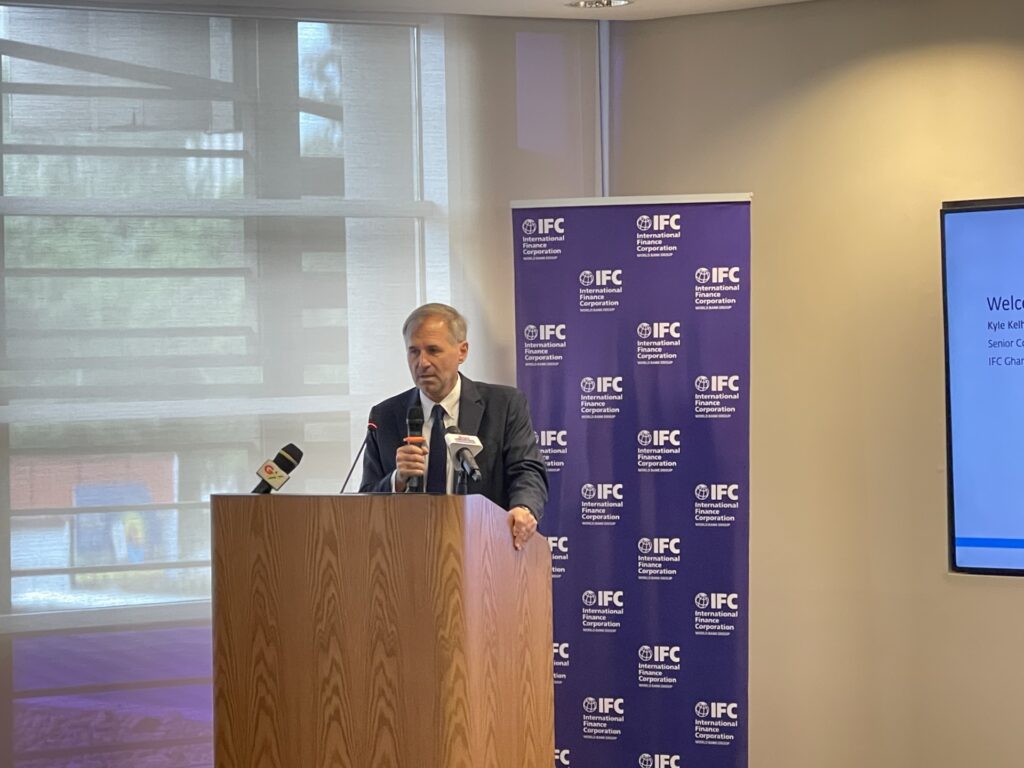
Mr Kyle Kelhofer, Senior Country Manager, International Finance Corporation (IFC) for Ghana and Liberia, World Bank Group, has called for stronger governance structures in family-owned businesses in Ghana.
He described family-owned businesses as a critical engine for job creation, private sector growth and long-term economic sustainability.
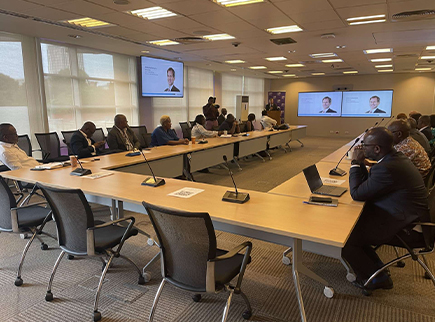
Mr. Kelhofer was speaking at the 3rd IFC Family Governance Workshop in Accra on the theme, “Passing the baton, Preserving Purpose: Managing Generational Transitions.”
This formed part of an ongoing series that supports family-owned businesses to strengthen succession planning and long-term continuity.
The sessions helped families navigate generational transition from preparing next generation leaders and supporting founders to step back to preserving wealth and clarifying the roles of ownership, control, and management.
It also aimed at equipping family-owned businesses with practical tools, stronger governance practices, and actionable strategies to safeguard their legacy.
Mr. Kelhofer said family-owned businesses remained central to growth across global markets, from Western Europe and Africa to South Asia and East Asia, and must be supported to transition successfully across generations.
He said family businesses whether in their first and second generation or even beyond the fourth and fifth were often the foundation of large local corporations in many countries, and could expand into regional and global players when they adopt sound and transparent governance systems.
Mr. Kelhofer said the private sector accounted for about 90 per cent of job creation, making the strengthening of family businesses essential to improving livelihoods and expanding opportunities.
The Senior Country Manager explained that ensuring solid governance in family-owned enterprises supported continuity and stability, which in turn strengthened operations and improved access to finance.
“International best practices in family business governance vary widely, depending on whether families remain actively involved in management or step back into more strategic roles,” he added.
However, he said Ghanaian companies could benefit from learning and adapting global practices as they transitioned across generations.
He stressed that the IFC’s goal was not to suggest family businesses fail prematurely but rather to help them achieve greater success and build stronger foundations for long-term growth.
Mr. Kelhofer said that in many markets, it was family businesses that grew into major local corporations, operating across multiple sectors and eventually becoming regional or even global companies.
He said the IFC had always had a focus on supporting local corporates and has now increased its efforts to help Ghanaian family businesses expand, diversify, and compete effectively.
The Senior Country Manager said stronger governance would improve their business opportunities, strengthen their market presence, and enhance their ability to access finance for growth.
He added that Ghana has several impressive family-owned businesses with the potential to become major regional and cross-sector players, stressing that supporting them aligned with IFC’s broader mission of creating more and better jobs to improve lives.
“Our mission overall is not just to help businesses, but to help create more and better jobs to help improve people’s lives in Ghana. That starts with the private sector, which starts with businesses,” he stressed.