
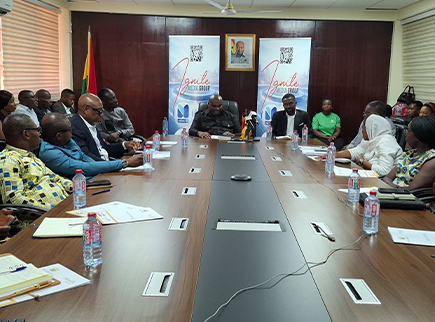
The Ministry of Environment, Science and Technology (MEST) is advancing a draft Extended Producer Responsibility (EPR) law to strengthen plastic waste management in Ghana.
The proposed legislation, currently undergoing stakeholder consultations, will require producers of plastic products to take responsibility for the collection and proper management of waste generated from their activities.
Dr Peter Dery, the Director of Environment at MEST, disclosed this in an interview at a media dialogue on plastic waste management and environmental sustainability on Tuesday.
It was organised in Accra by the Ministry, in collaboration with Praxis Africa, an organisation that supports redemptive entrepreneurship.
The dialogue formed part of activities to mark the International Zero Waste Day, observed globally on March 30, to promote sustainable consumption and production patterns, and encourage waste reduction, reuse and recycling.
Dr Dery said the Ministry was finalising a draft bill to be submitted to the Attorney-General as part of processes towards passage into law.
“We are looking at an Act of Parliament now. Initially, we considered a Legislative Instrument, but consultations pointed to the need for a parent Act, which will be called the Extended Producer Responsibility Act,” he said.
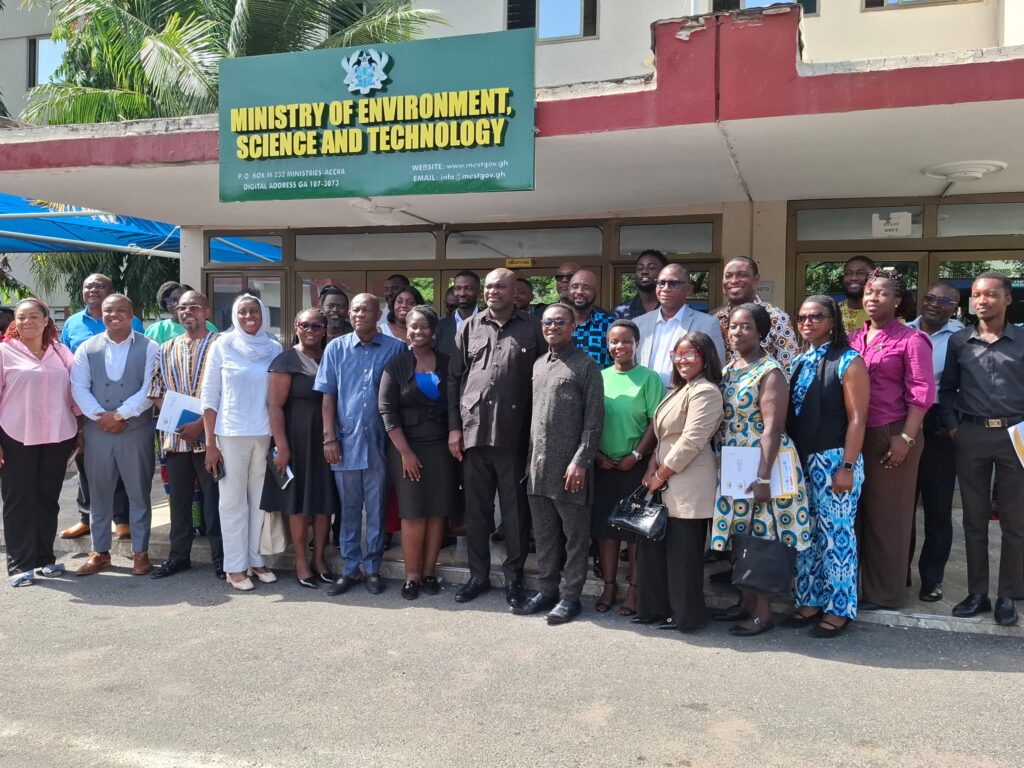
Alongside the legislation, the Ministry was developing an electronic registry system to track plastic waste generation and recovery, he said, describing it as critical infrastructure to support implementation.
Dr Dery noted that gaps in the waste collection chain remained a major challenge, despite the presence of large volumes of plastic waste in the environment.
“Recyclers say they do not get enough waste, yet plastics are everywhere. It means there is a disconnect in how waste is collected and delivered to recyclers,” Dr Dery said.
He said the EPR framework would also allow for the establishment of Producer Responsibility Organisations (PROs), possible creation of a fund, and formation of cooperatives among producers and waste collectors.
On policy direction, Dr Dery said the Ministry was also working towards phasing out certain categories of single-use plastics, including low-micron plastic bags and straws, following earlier assessments to identify viable alternatives.
Ghana continues to grapple with plastic waste pollution, with significant implications for public health and the environment.
Data from the World Bank indicate that Ghana generates about 0.84 million tonnes of plastic waste annually, with only about 9.5 per cent collected for recycling, leaving the majority to end up in drains, water bodies and open spaces.
Participants at the dialogue called for coordinated action to address the challenge.
Mr Solomon Noi, Director of Waste Management at the Accra Metropolitan Assembly, urged stakeholders to develop a clear roadmap with measurable targets to guide interventions.
Togbe Nyassor Ababio V, Dean of the Environmental Health Officers Ghana, advocated the establishment of a National Zero Plastic Waste Coordination Platform to enhance inter-agency collaboration.
Ogyegu Korankye Wontumi II, Country Director of Praxis Africa, emphasised the need for public education to drive behavioural change.
“If people understand the impact of plastic waste, they will act responsibly. Education and awareness are critical to achieving environmental sustainability,” he said.