
Education authorities and stakeholders have been urged to intensify efforts to strengthen professional standards, safeguarding policies, and accountability mechanisms within schools to guarantee the safety and wellbeing of learners, particularly the girl-child.
The call follows recent public concerns over alleged incidents of misconduct involving educators and students, which have reignited discussions on teacher professionalism, child protection and institutional oversight in Ghana’s education sector.
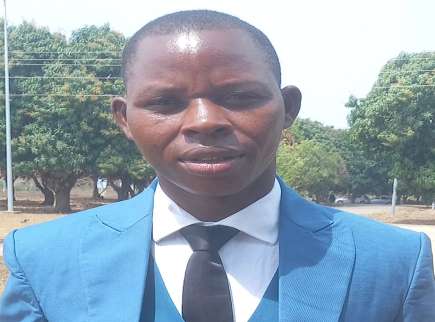
In an editorial, Mr Paul Nyojah Dalafu, a journalist and Public Relations practitioner at the Oti Regional Coordinating Council (ORCC) said the incidents underscore the need for sustained vigilance and strict adherence to professional ethics among teachers and other education professionals.
He observed that teachers occupy positions of trust and influence and are expected to serve not only as instructors but also as mentors, counsellors, and role models who shape the moral and academic development of young people.
“Teachers must conduct themselves with professionalism and integrity at all times, a breach of trust does not only affect the individual learner involved but also undermines public confidence in the teaching profession and the education system as a whole’, He stated.
He stressed that schools must remain in safe, secure, and nurturing environments where learners can pursue their academic goals without fear of harassment, intimidation, exploitation, or abuse.
According to him, safeguarding children in schools should be treated as a national priority requiring deliberate policy interventions and collective commitment from all stakeholders.
Mr Dalafu therefore called on the Ghana Education Service (GES), the Ministry of Education, the Ministry of Gender, Children and Social Protection and the Department of Children to address such matters with urgency and seriousness.
He recommended stricter enforcement of professional codes of conduct and safeguarding policies across educational institutions, alongside prompt investigations and disciplinary measures whenever allegations of misconduct are substantiated.
The communications expert further advocated regular training and continuous professional development programmes for teachers and school administrators on ethics, child protection principles, safeguarding protocols and appropriate teacher-student relationships.
He also called for strengthened reporting mechanisms in schools to encourage students and parents to report concerns without fear of victimisation, stressing that effective safeguarding systems depend on accessible complaint procedures and swift responses from authorities.
Mr Dalafu urged educational institutions to establish child protection committees and deepen collaboration with parents, community leaders, faith-based organisations and child rights advocates to ensure that safeguarding measures are effectively implemented and monitored.
“Safeguarding learners is a collective responsibility. Teachers, parents, educational authorities, religious leaders, community members and policymakers must work together to ensure every child learns in an environment that promotes dignity, respect and safety,” he said.
He noted that promoting a culture of accountability and professionalism within schools would not only protect learners but also preserve the integrity and public image of the teaching profession.
Mr Dalafu further emphasised that the wellbeing of children should remain at the centre of educational policies and reforms, adding that every child deserves to learn in an environment that fosters confidence, security and equal opportunities for personal growth and academic excellence.