
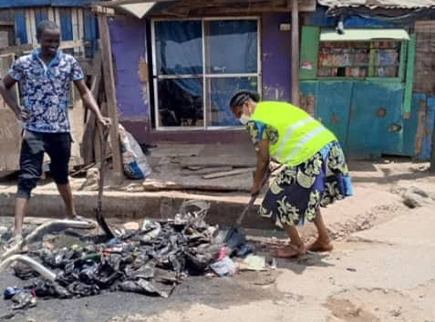
Eco Impact Network, a non-governmental organisation (NGO) focused on environmental protection and climate education, is intensifying efforts to educate young people on the importance of preserving the environment for present and future generations.
Through community-based outreach and school-centred programmes, the organisation is shaping attitudes and behaviours that are critical to sustainable development.
Mrs Gifty Ofori-Yeboah, Chief Executive Officer (CEO) of Eco Impact Network, explained that the organisation, since its inception in 2023, deliberately targeted places where people naturally gather, including schools, churches, local communities, lorry stations, and other crowded public spaces.
Ms Ofori-Yeboah said these locations provided direct access to large numbers of people, especially young people who were still forming habits and values that would guide their choices in adulthood.
She emphasised that environmental degradation was not only a scientific or policy issue but also a social problem that affected everyday life, adding that poor sanitation, pollution, deforestation, and climate-related disasters often hit vulnerable communities the hardest.
She added that because children and young people in these areas grow up exposed to unhealthy surroundings, limited opportunities, and increased risks to their well-being, as such, Eco Impact Network believes that environmental education must start early and must be taken directly to the people.
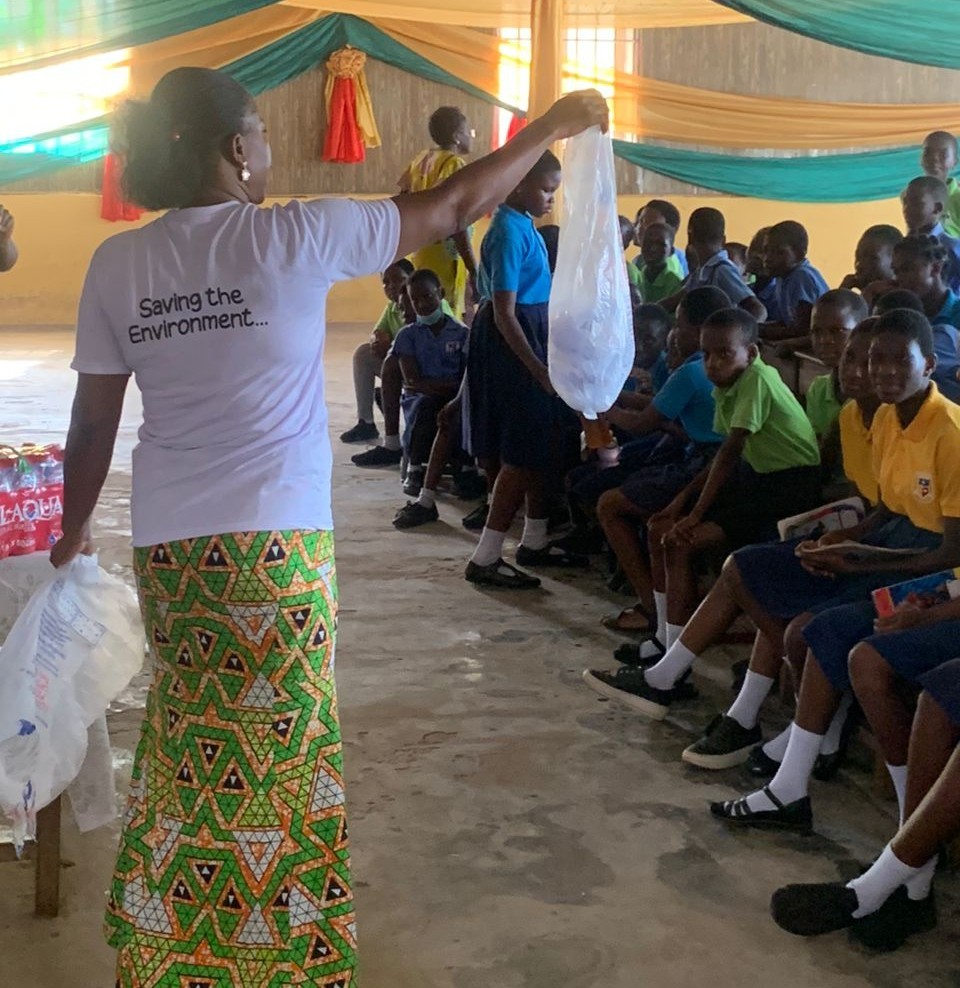
During outreach activities, the organisation educates participants on practical steps to protect the environment, including proper waste disposal, tree planting, water conservation, the dangers of plastic pollution, and a lot more.
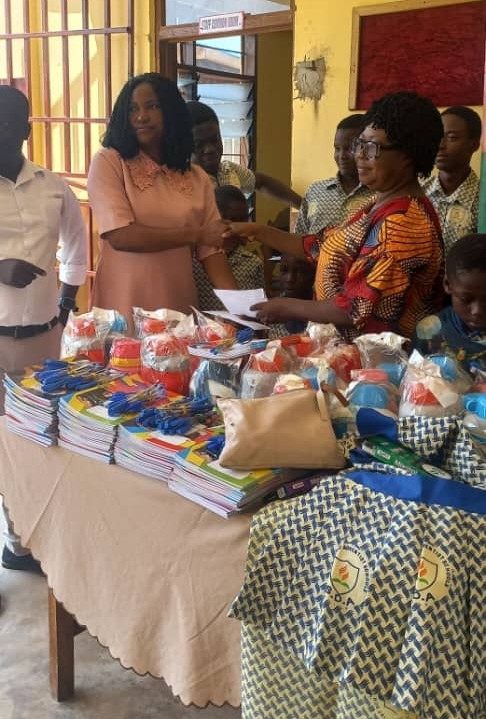
Beyond awareness creation, the organisation also provided support to brilliant but needy students, making donations to help such students remain in school and continue their education.
The CEO of Eco Impact Network explained that keeping these children in school was an investment in society, as education did not only improve individual lives but also produced responsible citizens who were more likely to care for their environment and contribute positively to national development.
She stated that many social problems were linked to a lack of awareness about the consequences of harmful actions, and people do not understand the dangers associated with activities that negatively impact society; they are more likely to continue them, but when communities become aware of these dangers, attitudes begin to change.
She appealed for sponsorship to enable the youth to visit selected communities, where these issues could be translated into practical, experiential learning opportunities for children, and called on stakeholders, including parents, schools, community leaders, and policymakers, to support environmental education initiatives.