

Professor Irene S. Egyir, Ghana Focal Person for the Galileo Project, has said efforts were underway to strengthen rural livelihoods and build resilience to climate change through innovative agroforestry systems across Africa.
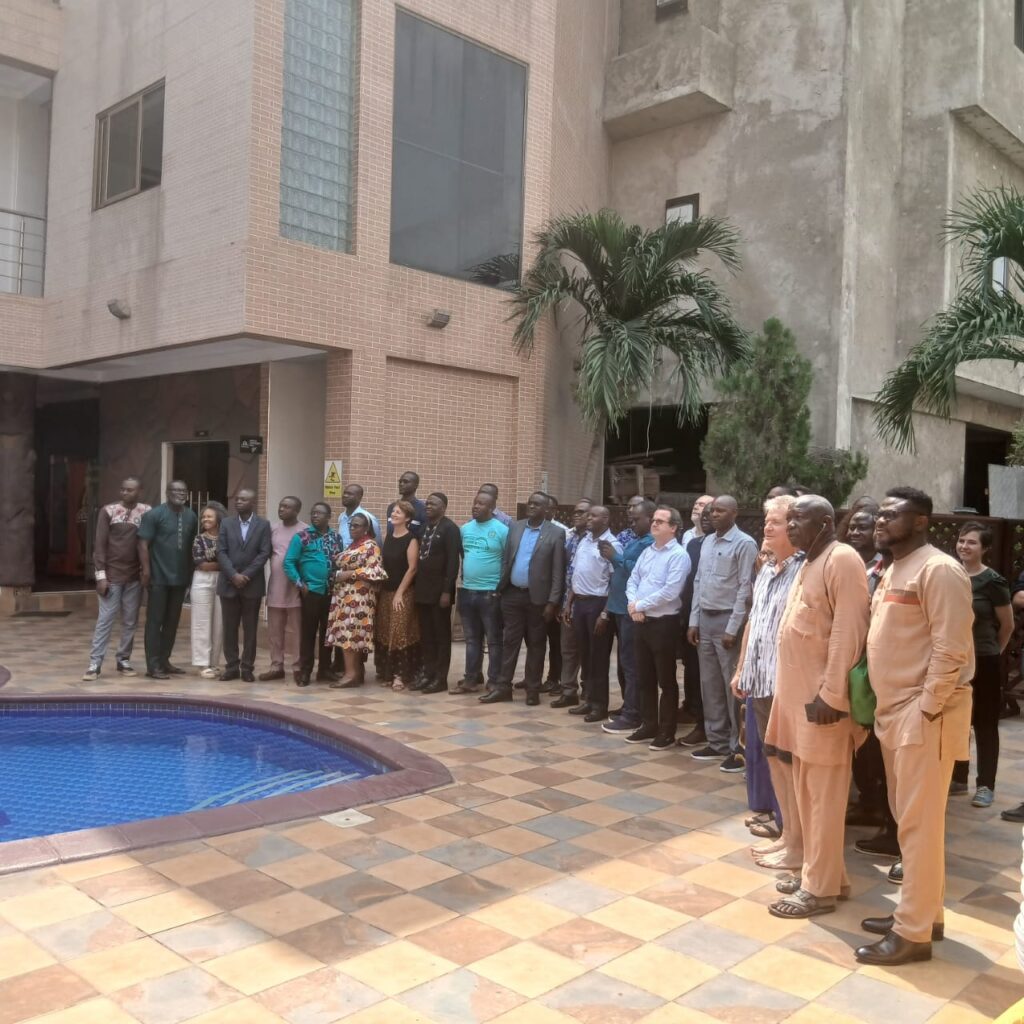
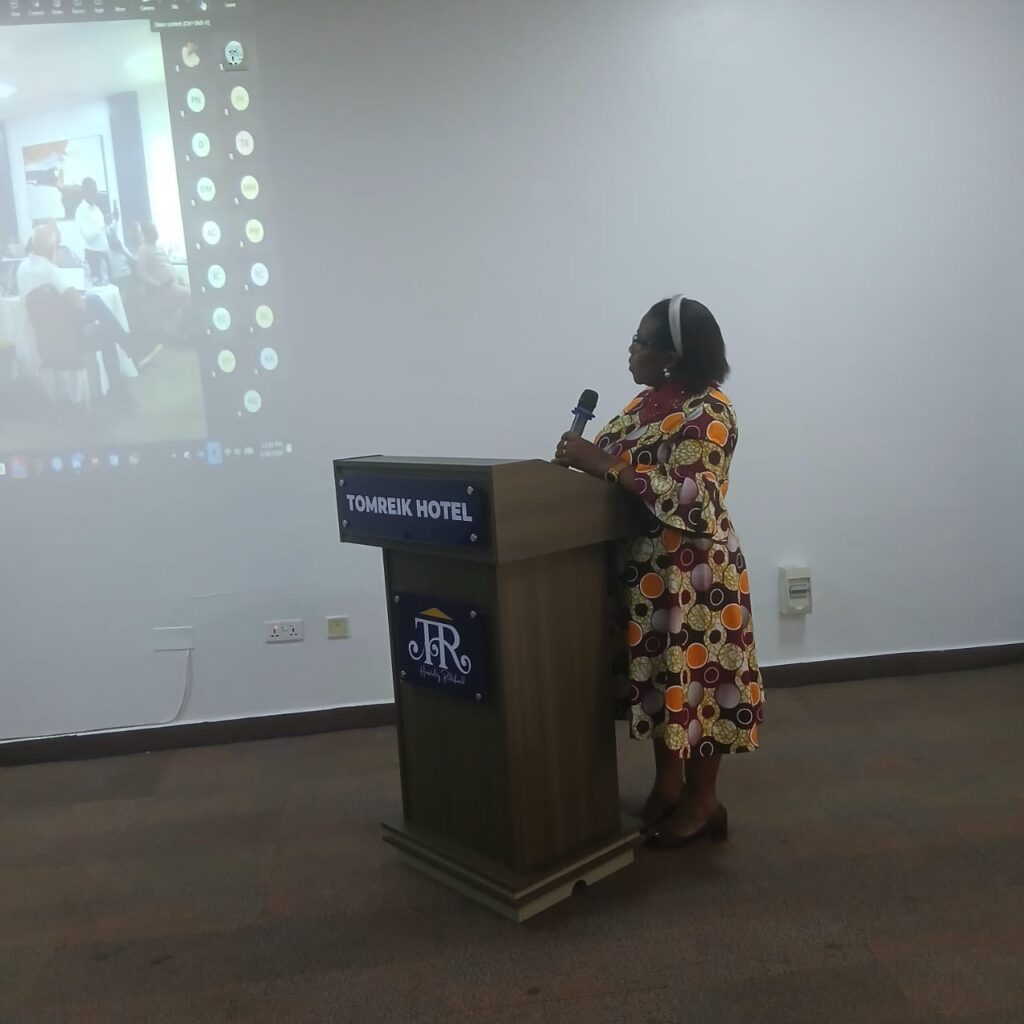
She made the remarks at the Galileo Project’s 3rd Progress Meeting in Accra.
Prof. Egyir explained that the Galileo Project, which began in 2025 and is expected to run until 2028, was funded by the European Union.
The project’s full title is “Strengthening Rural Livelihoods and Resilience to Climate Change in Africa: Innovative Agroforestry Integrating People, Trees, Crops and Livestock (GALILEO Project).”
It seeks to promote climate-resilient agricultural systems by integrating people, trees, crops, and livestock to enhance productivity, income, and environmental sustainability.
Prof. Egyir noted that the project aligned closely with Ghana’s agricultural transformation agenda, climate change adaptation strategies, and the Ministry of Food and Agriculture’s commitment to sustainable rural livelihoods and food security.
She said the project was being implemented in Ghana, Senegal, Cameroon, and Kenya, with technical and research support from European partners, including institutions in Switzerland, the Netherlands (Wageningen University), Greece, and France (CIRAD).
Prof. Egyir explained that the project adopted a co-creation approach, bringing together farmers, researchers, public institutions, NGOs, buyers, and extension services to jointly design, test, and refine agroforestry innovations.
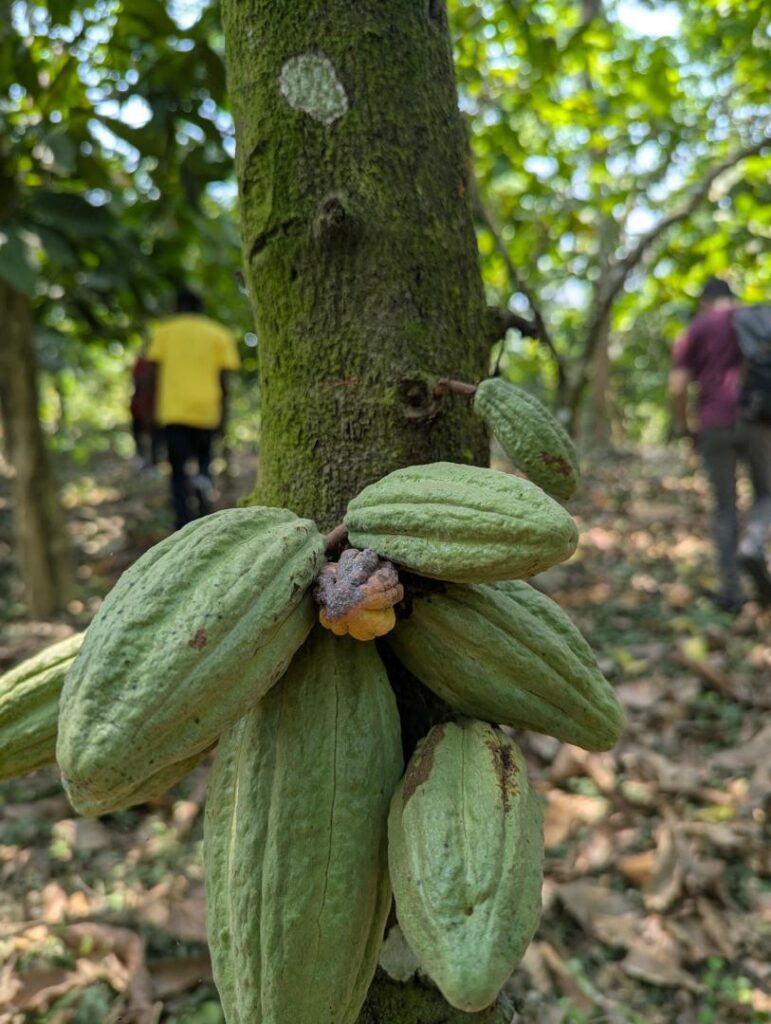
She said that in Ghana, the initiative operated through a Living Labs model in selected districts across the Bono/Ahafo, Ashanti, and Eastern regions, targeting cocoa farmers engaged in organic, conventional, and tree-integrated systems.
Prof. Egyir said that during the first year, the project conducted desk studies, interviewed more than 60 key informants, and organised inception workshops to identify challenges and opportunities using problem tree analysis.
She said that it was structured around working groups on soils, water, ecosystems, modelling, impact assessment, and livelihoods, with field trials, laboratory work, and university-led research.
Prof. Egyir highlighted that agroforestry remained central to the project because of its role in improving soil fertility, water retention, pest management, pollination, yields, and farmer incomes within cocoa farming systems.
She said the project aimed to produce a practical guidebook and about 20 innovation snapshots documenting tested practices and positive livelihood impacts by 2028.
Dr. Oliver Roupsard, Coordinator of the Galileo Project, emphasised that agroforestry was important in helping African farming systems adapt to climate change.
He noted that the project addressed diverse climatic realities, implementing dry agroforestry systems in Senegal and Kenya, and wet systems in Ghana and Cameroon, with solutions tailored to local ecological conditions.
Dr. Roupsard said the project primarily worked within cocoa farming systems, engaging stakeholders to assess production, grading, pricing, and the value chain.
He said that the first year focused on consultations and dialogue to identify priority challenges and agree on practical, adoptable solutions.
Dr. Roupsard explained that drought was a major challenge affecting cocoa farms in areas such as Suhum, where prolonged dry seasons had reduced yields and affected seedling survival.
He said proposed solutions included flexible shade management, which involved adjusting tree canopy cover to balance water use, and rainwater harvesting, which stored rooftop rainfall for seedling support during dry periods.
Dr. Roupsard concluded that by starting with farmers’ priorities and co-creating solutions with researchers, the Galileo Project aimed to deliver effective agroforestry practices that responded to climate change, boosted productivity, and improved rural livelihoods across Africa.