

Alhaji Mubarak Mohammed Muntaka, the Minister for the Interior, has highlighted the enduring role of the Kwame Nkrumah University of Science and Technology (KNUST) as a national technology hub and a key institution for leadership development across sectors.
He said the University’s transformative impact on individuals, families, industry and national development had been immeasurable.
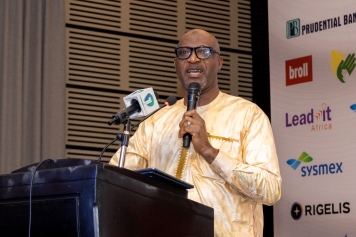
Alhaji Muntaka was speaking at the KNUST Kaptains of Industry Soirée and Awards (KOISAN) held in Accra at the weekend to celebrate individuals and institutions whose partnerships and contributions had significantly advanced the University’s mission.
The event, held on the theme: “Partnership in Progress,” brought together captains of industry, academia, alumni leaders, development partners and friends of KNUST to celebrate excellence, strengthen collaboration and chart a sustainable future for the University.
A major highlight was the official launch of the KNUST Alumni Endowment Fund (KAEF) and the inauguration of its Board of Trustees, marking a milestone in the Alumni Association’s pursuit of sustainable financing for the University.
The Endowment Fund, which has a target of US$500 million by 2035, is designed to support priority areas including student sponsorship, research and innovation, infrastructure development and institutional resilience, while ensuring prudent management and transparency.
Alhaji Muntaka commended the Alumni Association for institutionalising support through the Endowment Fund, describing it as a forward-looking intervention that addressed challenges such as student accommodation and infrastructure development.
“Sustainable progress is achieved when we move together with a shared sense of ownership and responsibility,” he said.
Prof. Rita Akosua Dickson, the Vice-Chancellor of KNUST, said the Endowment Fund represented a strategic investment in the University’s future.
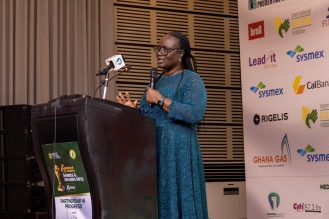
She noted that predictable and sustainable funding was essential for academic excellence, research impact and global competitiveness, adding that the Fund would help insulate critical academic and student-support initiatives from short-term financial constraints.
Prof. Dickson urged alumni and partners to see their contributions not merely as donations, but as long-term investments in human capital development and national progress.
Akyamfo Asafo Boakye Agyemang-Bonsu, the Chairman of the University Governing Council, underscored the need to move beyond episodic support to structured, long-term collaboration.
He said sustainable university development thrived when partnerships were guided by shared values, continuity and accountability, stressing that alumni and industry remained critical pillars in advancing KNUST’s mandate as a leading science and technology institution.
He described KOISAN as a timely platform that aligned goodwill with purpose, noting that the University’s progress depended on “partnerships that endure beyond personalities and generations.”
Dr Herman Yobo Addae, the Global President of the Alumni Association, said KOISAN was more than a ceremonial gathering, describing it as a deliberate effort to institutionalise alumni giving and engagement.
He said the launch of the Fund marked a shift from ad-hoc support to a structured and sustainable model to ensure continuity and impact, stressing that collective commitment mattered more than the size of individual contributions.
Participants made a unified call on alumni, corporate partners, policymakers and development partners to see themselves as co-owners of KNUST’s future.
They noted that sustainable progress was built through enduring partnerships, collective responsibility and a shared vision for excellence.