
Stakeholders from academia, faith‑based organisations, district assemblies, traditional authorities and the media have reaffirmed the urgent need for the election of Metropolitan, Municipal and District Chief Executives (MMDCEs) to ensure secured tenure and peace of mind to promote development in the assemblies.
They, however, stressed that such elections should be conducted on a non‑partisan basis to enable competent Ghanaians interested in local governance to contest without political party affiliations.
The stakeholders also called for increased participation of women in political spaces to drive inclusive and accelerated development at the local level.
Others emphasised the need for chiefs and queenmothers within assembly jurisdictions to be actively involved in assembly deliberations.
Representatives of Persons with Disabilities (PWDs) expressed concern that nominations to the assemblies often did not come from their recognised associations but were rather given to affiliates who failed to report back to them.
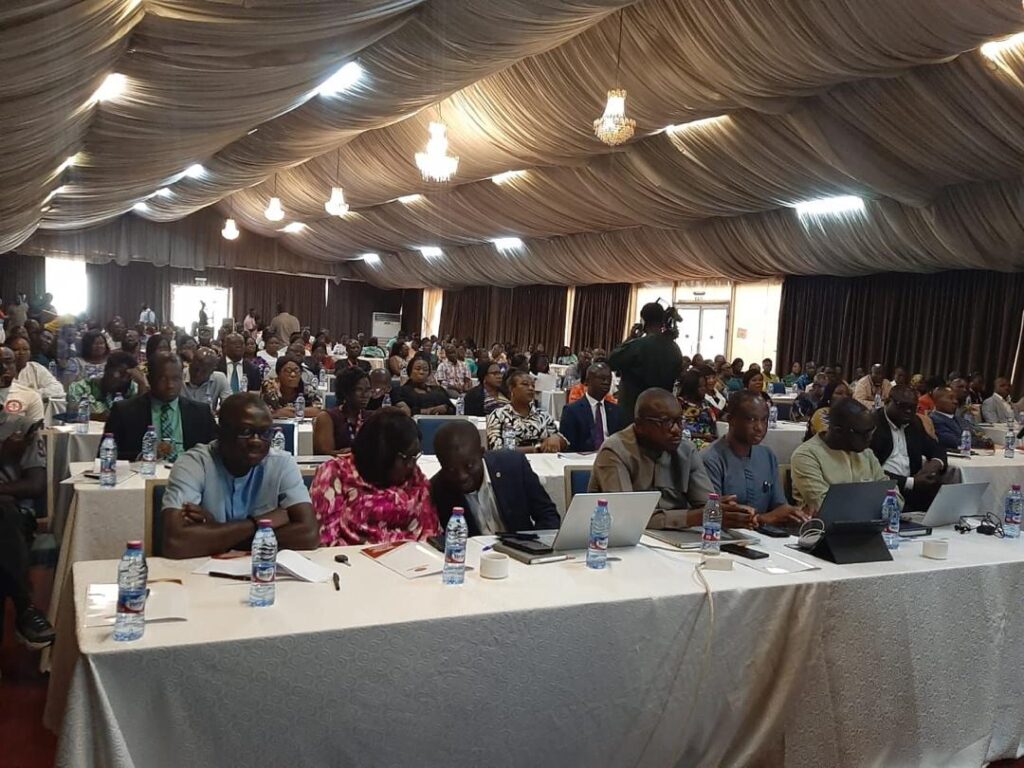
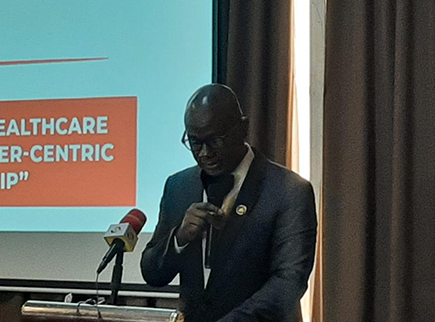
These concerns were raised at a stakeholders’ workshop on “Resetting Ghana’s Local Governance System for Enhanced Effectiveness”, organised by the Centre for Democratic Development (CDD‑Ghana) at the Effia Kwesimintsim Municipal Assembly (EKMA) in the Western Region.
Mr Mark Ackon, a teacher, observed that the position of MMDCEs was gradually losing its value as meritocracy gave way to political rewards.
He said the election of MMDCEs was, therefore, critical to securing competent human resources capable of delivering tangible grassroots development.
Mr Joseph Oti Frimpong, Lead for the Elections, Rule of Law and Anti‑Corruption Programme at CDD‑Ghana, said research conducted by the Centre since 2008 had consistently highlighted the need for non‑partisan election of MMDCEs to curb the “winner‑takes‑all” syndrome that characterised Ghana’s politics.
He noted that from 2021 to 2024, about 76 per cent of Ghanaians engaged through CDD’s studies supported the election of MMDCEs.
Mr Jacob Tetteh Ahum, Assistant Monitoring and Evaluation Specialist at CDD‑Ghana, said stakeholders in 12 regions were involved in the research processes that reflected the will of the majority of Ghanaians.
He said the findings aligned with recommendations of the Constitutional Review Commission and urged government to activate the will of the people.
Mr Ahum called on stakeholders to sustain advocacy for reforms that would promote accountable, people‑centred and effective local governance systems, rather than politically inclined assemblies that often resulted in abandoned projects, poor service delivery and disputes over control of public infrastructure such as public toilets whenever governments changed.