
Stakeholders in the Upper West Region have called for renewed efforts to promote African indigenous foods as a means of reclaiming cultural identity and advancing the decolonisation of Africa’s food systems.
They observed that African indigenous foods had long been undervalued, despite sustaining generations and contributing to the nurturing of healthier lives and a healthier environment.
Mr Daniel Banuoku, Executive Director of the Centre for Indigenous Knowledge and Organisational Development (CIKOD), made the call at a traditional food exhibition held in Wa as part of activities marking Ghana Month.
It was organised by the Upper West Regional Coordinating Council in partnership with the Ghana Tourism Authority (GTA), the Centre for National Culture (CNC), and in collaboration with CIKOD on the theme: “Upper West Pot: Our Deepest Pride, Our Greatest Heritage.”
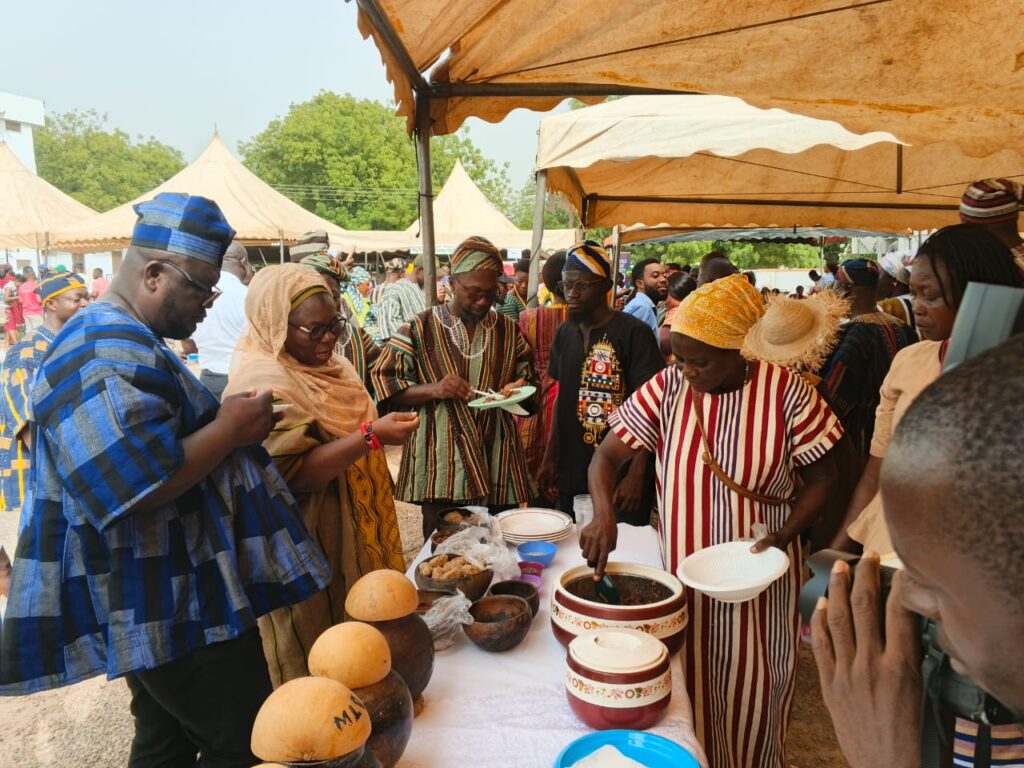
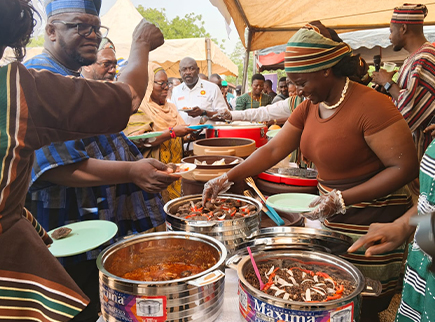
The event brought together representatives from state agencies and departments, security agencies, private sector actors, and members of the public to celebrate the rich cuisine of Ghana, particularly that of the Upper West Region.
The celebration was characterised by rich cultural displays, including the bawaa dance of the Dagara people and poetry recitals, which demonstrated a fusion of food, culture, and identity.
An array of Ghanaian traditional dishes and drinks, particularly from the Upper West Region, including tuo zaafi (TZ), simisao (Bambara beans TZ), tumpani, and pito, were exhibited, drawing attention to the region’s diverse culinary heritage.
Mr Banuoku indicated, “We are doing more than celebrating food. We are indeed reclaiming identity and advancing the journey of decolonising the African food system.”
“Decolonising the African food means restoring confidence in what we grow, what we cook, and what we eat”, he added.
He stressed the importance of local crops such as millet, sorghum, cowpea, shea butter, and baobab, which had “sustained our ancestors, nourished our communities, and preserved our health and environment for generations.”
Mr Kwesi Anim-Larbi, the Upper West Regional Director of the GTA, described indigenous cuisine as a critical component of tourism development.
He said the initiative sought to reposition local cuisine as a cultural and tourism asset, saying, “Our food is our signature, our pride and our living heritage.”
Pognaa Fati Issaka Koray, the Upper West Regional Coordinating Director, described the exhibition as a celebration of identity, a revival of collective memory, and a definition of identity as a people.
She noted that indigenous foods had a great economic opportunity through job creation, women’s empowerment, supporting local farmers, and driving tourism.
Madam Patience Bayuo, the Acting Upper West Regional Director of the CNC, said the exhibition of traditional smock designs at the event was part of efforts to promote the region’s cultural heritage.
She encouraged the consumption of local dishes, stressing their health benefits and their role in sustaining cultural identity.
Madam Maria Johana Yuorpor, the Chief Executive Officer of Mara Foods, advocated increased patronage of indigenous foods, describing them as nutritious and essential for healthy living.
She urged households to incorporate local meals into their diets to sustain traditional knowledge and promote well-being.