
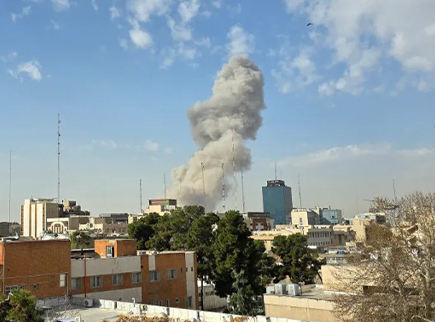
Escalation in the Middle East: US and Israel Strike Iran Amid Rising Tensions
The ongoing conflict between the United States and Iran, with Israel’s involvement, escalated on February 28, 2026, with the US and Israel launching military strikes on Iran. Here’s a breakdown of the situation:
– *US and Israeli Strikes*: The US and Israel targeted Iran’s military capabilities, including missile infrastructure, navy, and terrorist proxies, aiming to prevent Iran from advancing its nuclear program.
– *Iran’s Retaliation*: Iran responded by launching missiles and drones at Israel and US military bases in the Middle East, including Bahrain, Kuwait, Qatar, and the United Arab Emirates.
– *Global Impact*: The conflict has disrupted global logistics, raised oil prices, and triggered market anxiety.
– *International Response*: Russia condemned the US-Israel strikes, while China and other nations urged restraint.
The situation remains fluid, with both sides exchanging strikes and counter-strikes. Experts predict a prolonged conflict, potentially drawing in other regional actors.
Historical Context
The current conflict has its roots in decades-long tensions, particularly over Iran’s nuclear program and regional influence. Key events include the 1979 Iranian Revolution, the 2002 nuclear program revelation, and the 2015 Nuclear Deal (JCPOA).
Potential Outcomes
– *Escalation*: Further retaliation and counter-strikes could destabilize the region and disrupt global energy supplies.
– *Diplomatic Efforts*: Talks between Iran and the US might resume, focusing on nuclear limitations and sanctions relief.
– *Regime Change*: US and Israeli goals might include toppling Iran’s current government.
The situation remains fluid, with significant implications for regional stability and global security.