
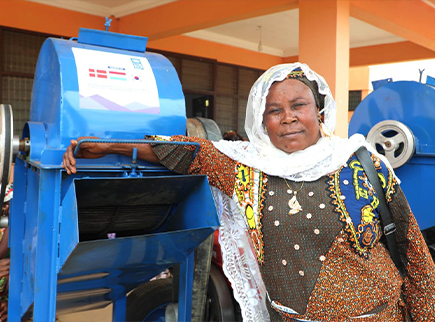
In many fragile border areas around the world, insecurity, climate stress, and poverty often create fertile ground for violent extremism.
But in northern Ghana, communities are showing that when people are empowered with the right opportunities and support, they can become the strongest force for peace.
Through the support of the United Nations Development Programme (UNDP) and funding partners including the governments of Denmark, Luxembourg, and the Republic of Korea, women, youth, and local institutions in Ghana’s northern border communities are taking the lead in addressing the root causes of conflict.
The initiative, supported through UNDP’s Funding Windows, is helping strengthen social cohesion, expand economic opportunities, and empower communities to resist the growing threat of violent extremist groups operating across the wider Gulf of Guinea region.
Youth stepping forward as peace ambassadors
In northern Ghana, particularly in border communities such as Tempane, young people have increasingly become targets for recruitment by extremist groups exploiting unemployment, misinformation, and social frustration.
However, many of these young people are now turning the tide.
Through UNDP-supported programmes, some youth have been trained to identify early warning signs of radicalisation, counter hate speech, and promote peaceful dialogue within their communities.
Local-language radio programmes have also helped spread awareness about misinformation and extremist tactics, reaching more than 72,000 listeners.
For youth leader Alhassan Dasmani, the experience has been eye-opening.
“We never realised how easily conflict could spread in our communities. Unemployment, misinformation, and peer pressure make us vulnerable, but we also have the power to stop it. What we need is education, vigilance, and opportunities to build a better future,” he said.
His words reflect a growing movement of young peace ambassadors who are actively promoting stability in their communities.
Livelihoods restoring dignity and stability
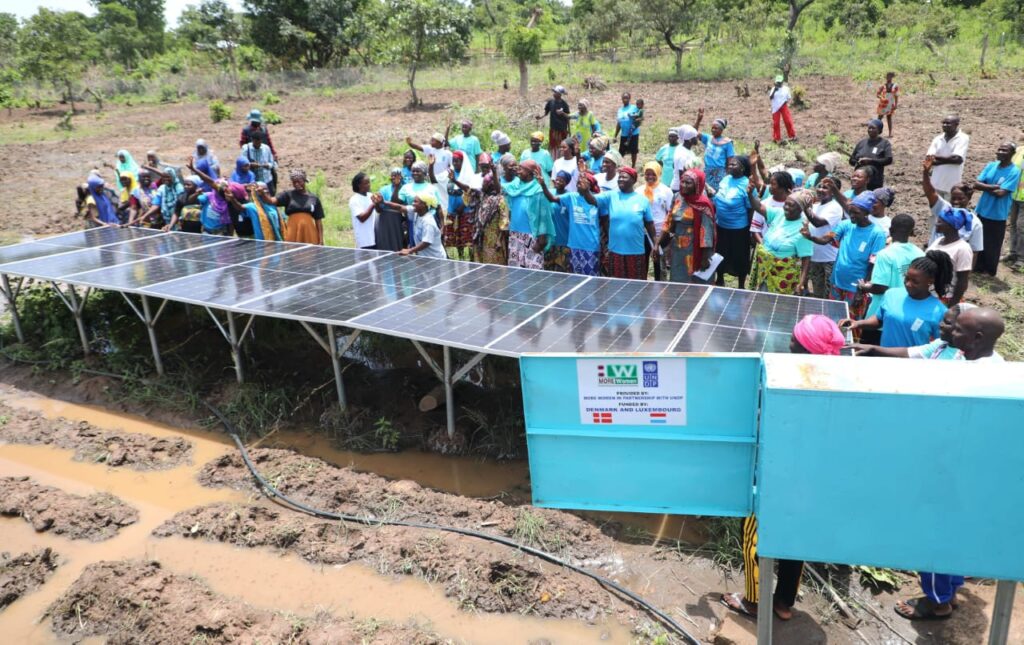
Economic hardship is one of the main factors extremist groups often exploit.
Recognizing this, the programme also focuses on improving livelihoods and strengthening economic resilience.
In communities such as Yipala, women farmers are benefitting from solar-powered water systems that allow them to grow vegetables throughout the year.
For Faustina, a small-scale farmer, the project has transformed her life. What started as a small garden has grown into a reliable source of income and food for her family.
“I can finally provide fresh food for my family and earn enough to support my children,” she said.
Training in climate-smart agriculture, along with support in seeds and farming inputs, has enabled many women to increase their harvests. Beyond improving incomes, these interventions are strengthening community ties and reducing the economic frustrations that extremist groups often exploit.
Strengthening institutions for lasting peace
As part of the initiative, district assemblies, security agencies, and civil society organisations have received training in conflict prevention and community engagement as part of measures to preventing conflict and sustaining peace.
Local border monitoring has also been improved through the provision of surveillance tools and capacity-building support.
At the national level, institutions such as the National Peace Council and the National Commission on Small Arms and Light Weapons have strengthened their technical capacity to address arms control and prevent the spread of illicit weapons.
For Anne Anaba, who participated in training organised through the Regional Peace Council, the experience renewed her belief in the role communities can play in preventing conflict.
“This initiative has exposed us to the reality that we can provide solutions to chieftaincy conflicts and land disputes in our communities. It has rekindled hope in us as peace actors,” she added.
A model for community-driven peace
One of the strengths of the programme is the flexibility of the UNDP Funding Windows, which allows partners to respond quickly to emerging challenges while supporting long-term peacebuilding efforts.
Through the empowerment of youth, supporting women’s livelihoods, and strengthening local institutions, the initiative is helping communities build resilience against extremism.
As one peace advocate from Natenga put it simply, “when we work together, extremists have no place among us.”
Across northern Ghana’s borderlands, this approach is proving that lasting peace is most effective when it grows from within communities themselves, when people are not only protected from violence, but empowered to shape the future they want.