
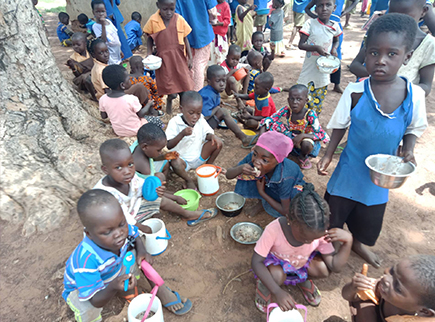
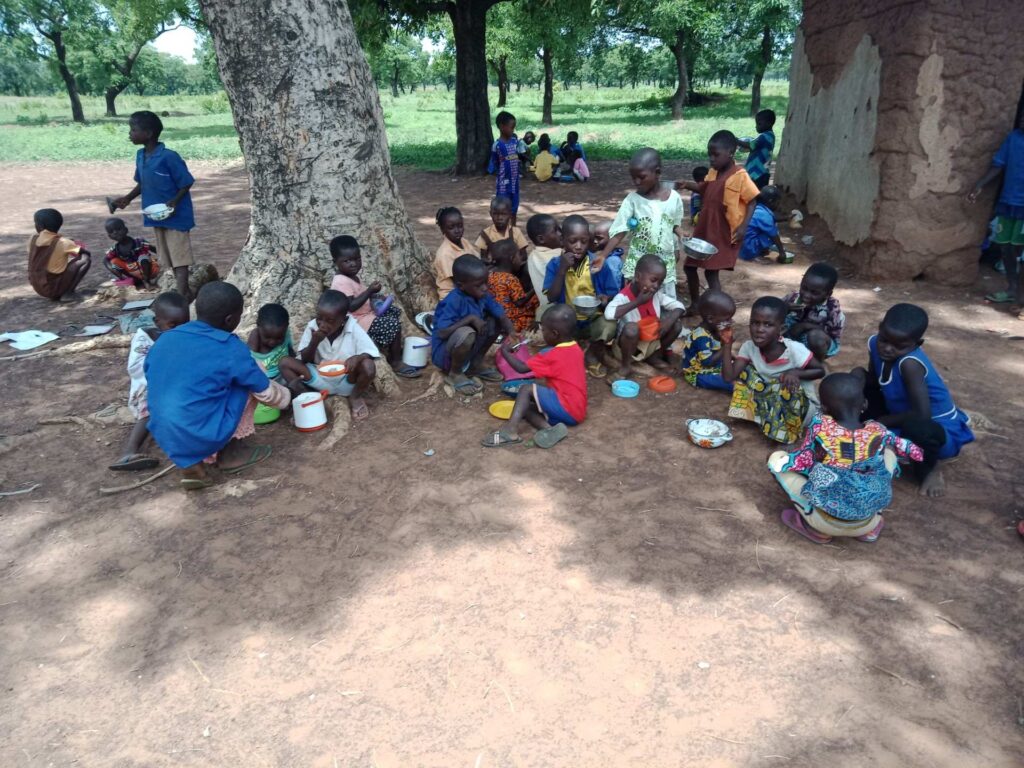
Under the shade of a shea tree in Dolon in the Northern Region, a group of schoolchildren sit on the ground, placing their food directly on the dusty earth as they enjoy meals provided under the Ghana School Feeding Programme.
While the scene reflects access to food and communal learning, it also reveals a hidden and growing concern of exposure to environmental pollutants that threaten children’s health.
From the dust beneath their meals to the air they breathe daily, children across Ghana are increasingly exposed to pollution at home, in school, and within their communities.
Health experts warn that air pollution poses unique and life-altering risks to children, with damage beginning even before birth and continuing throughout their development.
Prenatal exposure to polluted air has been linked to premature birth, low birth weight, and impaired organ development. Children are particularly vulnerable due to their faster breathing rates, developing lungs, and closer proximity to ground-level pollutants.
Dr Joan Aguyire, Specialist Physician in Internal Medicine at the Tamale Teaching Hospital, told the Ghana News Agency (GNA) that exposure to air pollution during pregnancy significantly affects foetal development.
She explained that gestational exposure, particularly in urban settings, increases the risk of low birth weight, preterm birth, congenital malformations, intrauterine growth restriction, and neonatal mortality.
“Furthermore, such exposures are associated with increased risks of pre-eclampsia, hypertension, and gestational diabetes,” she added.
Dr Aguyire noted that children inhale more air per kilogram of body weight than adults, making them more susceptible to pollutants.
She said their immune systems, lungs, and brains were still developing, increasing their vulnerability to long-term damage.
According to her, a significant proportion of neonatal deaths within the first month of life could be linked to air pollution exposure during pregnancy, underscoring the urgent need for cleaner air.
Beyond early-life risks, exposure to polluted air has been associated with reduced lung growth, chronic respiratory diseases such as asthma, and increased susceptibility to infections like pneumonia, a leading cause of death among children under five.
Air pollution also affects brain development, with studies linking exposure to toxic particles to cognitive impairment, behavioural issues, and neurodevelopmental disorders such as attention deficit hyperactivity disorder (ADHD).
In the long term, children exposed to polluted environments face a higher risk of developing chronic conditions, including cardiovascular diseases, diabetes, and certain cancers.
Recent data from the World Health Organization (WHO) indicate that air pollution has a devastating impact on child health and survival globally.
The State of Global Air 2024 report identifies air pollution as the second leading risk factor for death among children under five years old, after malnutrition.
The report estimates that more than 700,000 deaths among children under five were linked to air pollution, representing about 15 per cent of all global deaths in that age group; this translates to nearly 2,000 deaths daily. Out of this figure, over 570,000 were neonatal deaths.
The report further indicates that air pollution is linked to 34 per cent of preterm births globally, with complications from preterm birth remaining the leading cause of death among children under five.
Surviving preterm babies often face lifelong health challenges, including disabilities and developmental delays.
Experts also highlight the close relationship between air pollution and climate change, noting that major pollution sources, including fossil fuel combustion, industrial activities, transportation, and biomass burning, are also key contributors to greenhouse gas emissions.
The report, produced by the State of Global Air Initiative in collaboration with the Health Effects Institute, the Institute for Health Metrics and Evaluation (IHME), and UNICEF, is based on data from the Global Burden of Disease Study 2021, covering 204 countries and territories.
It provides comprehensive estimates on the impact of environmental, behavioural and dietary risk factors on global health.
Health professionals and environmental advocates are therefore calling for urgent and coordinated action to protect children, emphasising the need to minimise exposure from pregnancy through early childhood, enforce stricter air quality regulations, and address major pollution sources such as traffic emissions, industrial activities, and indoor air pollution.
They also stress the importance of integrating health considerations into environmental policymaking, noting that protecting air quality is critical to safeguarding both current and future generations.
Ensuring clean air, they argue, is not only an environmental priority but a fundamental investment in the health, development, and survival of children.