
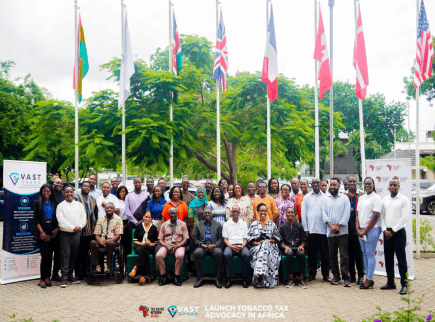
The Tobacco Tax Advocacy in Africa (TTAA) Phase III Project in Ghana has been launched to strengthen advocacy for effective health taxes, especially excise taxes on health harm products such as tobacco, alcohol, and sugar-sweetened beverages.
The theme for the launch is, “Strengthening Tobacco Taxation and Tobacco Control for Improved Public Health and Domestic Resource Mobilisation in Ghana.”
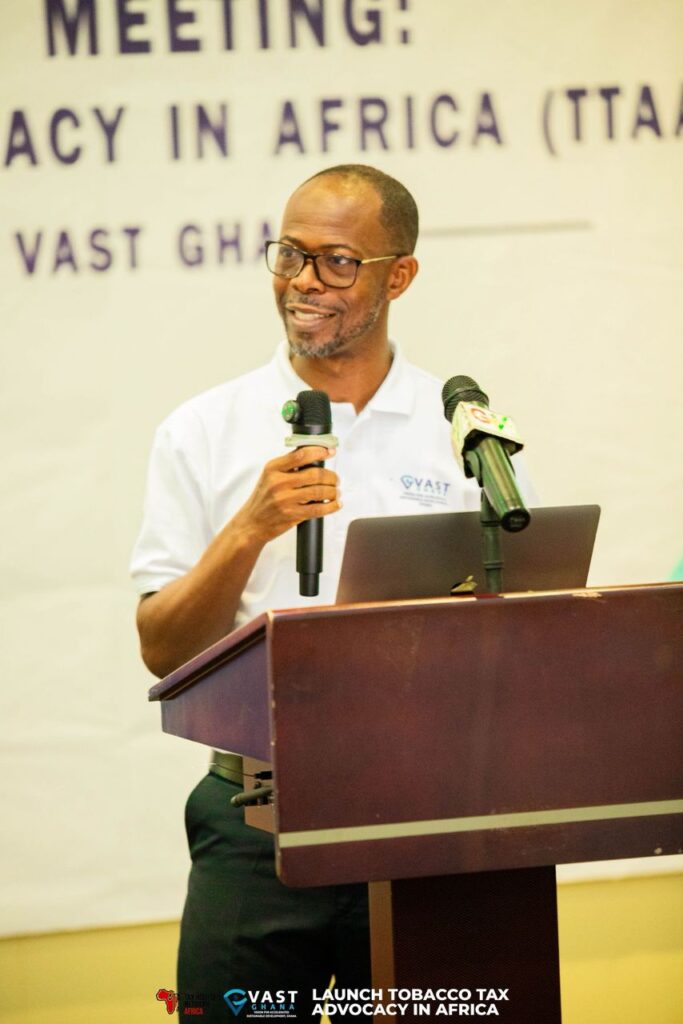
The project is being implemented in eight African countries namely; Ghana, Kenya, Zambia, Nigeria, Senegal, South Africa, the Democratic Republic of Congo, and Namibia by Tax Justice Network Africa (TJNA), leading negotiators of the UN Tax Foundation for Africa,
Ms Chenai Mukumba, the Executive Director of TJNA in remark at the launch on Thursday in Accra said tobacco taxation remained one of the most effective public policy interventions available to governments.
“The World Health Organization estimates that significant increases in tobacco taxes can reduce tobacco consumption faster than any other single tobacco control measure,” she stated.
She stressed that higher prices discourage initiation among young people, encourage current users to quit, and reduce overall consumption.
Ms Mukumba said the launch of the project was to reaffirm a shared commitment to protecting public health, advancing economic justice, and strengthening domestic resource mobilisation across Africa.
She said by this initiative the TJNA was working with national partners, governments, researchers, health advocates, and regional institutions to generate evidence, strengthen policy dialogue, and support reforms that make tobacco products less affordable while increasing public revenues.
She added, “Yet tobacco taxation is not only a public health intervention. It is also a development and financing intervention.”
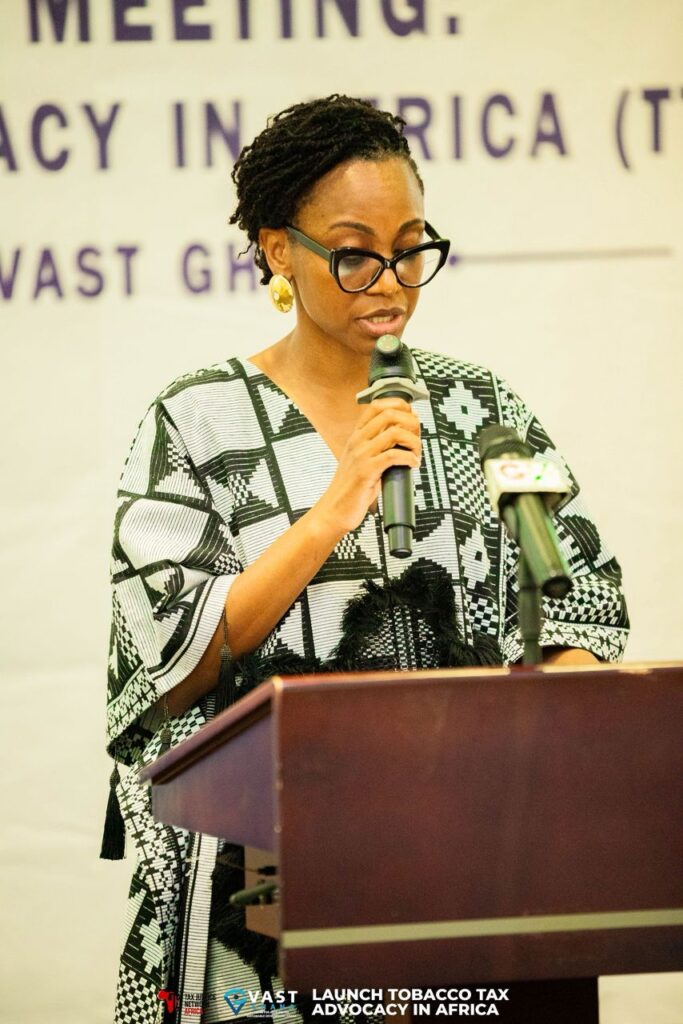
She noted that across Africa, governments face increasing pressure to finance health systems, expand universal health coverage, address the growing burden of non-communicable diseases, and build resilience against future health shocks.
“At the same time, many countries face fiscal constraints, rising debt burdens, and shrinking development assistance,” she said, adding, “This is why domestic resource mobilisation is becoming more important than ever.”
Ms Mukumba said health taxes, including tobacco excise taxes, provide a unique opportunity to simultaneously improve health outcomes and generate sustainable domestic revenues.
She pointed out that, “Every additional cedi raised through effective tobacco taxation can contribute to reducing future healthcare costs while creating fiscal space for investments in health, education, and social protection.”
She noted that the burden of tobacco use on African economies is significant and that tobacco-related illnesses continue to increase healthcare expenditures, reduce labour productivity, and contribute to premature deaths from cancers, cardiovascular diseases, respiratory illnesses, and other non-communicable diseases.
“Fortunately, Ghana has already demonstrated leadership in this area. In 2023, the Government of Ghana passed the Excise Duty (Amendment) Act, introducing a specific excise tax on cigarettes and other tobacco products.
“This represented a major policy milestone and brought Ghana closer to meeting regional commitments under the ECOWAS tobacco tax directive. It was an important demonstration that evidence-based policymaking can deliver meaningful reforms,” she stated
The Executive Director said, however, that important opportunities remained, and that further reforms could deliver even greater health and revenue gains.
“The purpose of this project is to help build on that momentum. Through our partnership with VAST Ghana and a broad coalition of stakeholders, we aim to support evidence generation, strengthen public awareness, facilitate policy dialogue, and contribute to reforms that align taxation policy with public health and development objectives,” she assured.
“Today marks the beginning of a new chapter in Ghana’s tobacco tax advocacy journey. We are not starting from scratch. We are building upon years of progress, strong national leadership, and a growing recognition that health taxes are among the smartest investments governments can make,” she stated.
Ms Mukumba expressed gratitude to the government, VAST-Ghana, funding and technical partners, and all stakeholders for their support.
“Together, we can reduce tobacco consumption, protect future generations from nicotine addiction, strengthen domestic resource mobilisation, and contribute to building healthier and more prosperous societies.
Dr Hafiz Adam Taher, the Technical Coordinator of the Ministry of Health who launched the project on behalf of the Minister said the launch has come at the right time when Ghana just commemorated the National World No Tobacco Day 2026, on the theme “Unmasking the appeal – Countering Nicotine and Tobacco Addiction.”
“As a country, we face significant challenges posed by tobacco use. Although adult prevalence is less than five per cent, tobacco-related diseases claim over 6,700 lives annually in Ghana, with an economic burden exceeding GHS 668 million each year.
“These figures reinforce our dedication to protecting citizens from the harms of tobacco and other health-harming products,” he stated.
Dr Taher said the government was particularly pleased with the positive outcomes from the passage of the Excise Duty Amendment Act, which has contributed to generating higher revenue for national development while serving as a public health tool.
He said the government see the TTAA Project III as a timely and strategic platform to strengthen multisectoral collaboration, enhance domestic resource mobilization, and deliver lasting health and economic benefits for the people.
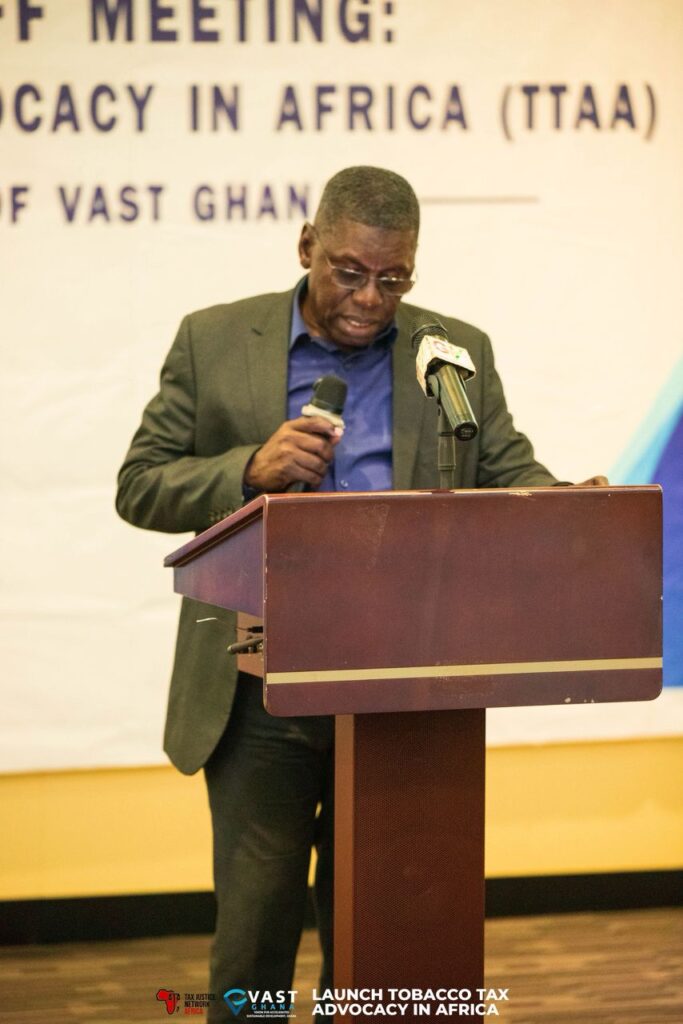
“The Ministry of Health remains firmly committed to initiatives that reduce the prevalence of Non-Communicable Diseases (NCDs) as we advance our overarching goal of Universal Health Coverage.
Mr Labram Musah in a welcoming address called on all stakeholders to collaborate with TJNA to advance evidence-based excise taxes to protect public health and mobilise sustainable domestic resources for Ghana’s development.
“As we launch this new phase of the Tobacco Tax Advocacy Project, I am reminded that no single organization can solve the complex challenges before us. The burden of tobacco and other health-harming products like alcohol, sugar sweetened beverages, ultra processed products, among others require all of us to work together.
“We must eschew working in silos. The time has come for genuine multisectoral collaboration between health and finance, between government and civil society, between national and global actors.”