
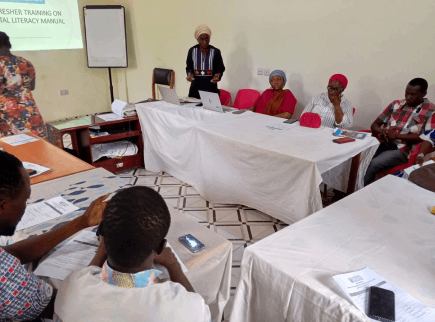
Communities along Ghana’s border with Burkina Faso have received intensive training as part of efforts to strengthen their resilience against violent extremism and reduce their vulnerabilities that could lead to recruitment by extremist groups.
STAR-Ghana Foundation organised the programme in partnership with the Social Initiative for Literacy and Development Programme (SILDEP) under the Peace and Security Portfolio.
It brought together youth and women group leaders, and other stakeholders from border communities in the Sissala East and West Districts.
Speaking at the programme in Tumu, Madam Khadija Abdul-Samed, the Building Resilience Against Violent Extremism (BRAVE) Project Officer, said the initiative was designed to address the factors that make communities vulnerable to extremist recruitment.
She explained that the project was being implemented in ten communities in the Upper East and Upper West regions bordering Burkina Faso, where security concerns had increased due to extremist activities across the Sahel.
According to her, many residents in these communities faced challenges such as marginalisation, exclusion, unemployment, limited social amenities, and inadequate access to information, which extremist groups could exploit.
Madam Abdul-Samed said the project, therefore, sought to empower communities to become more resilient and less susceptible to such influences.
She explained that the project aimed to enhance economic resilience through livelihood interventions targeting members of the community, including the refugees and Fulbe communities.
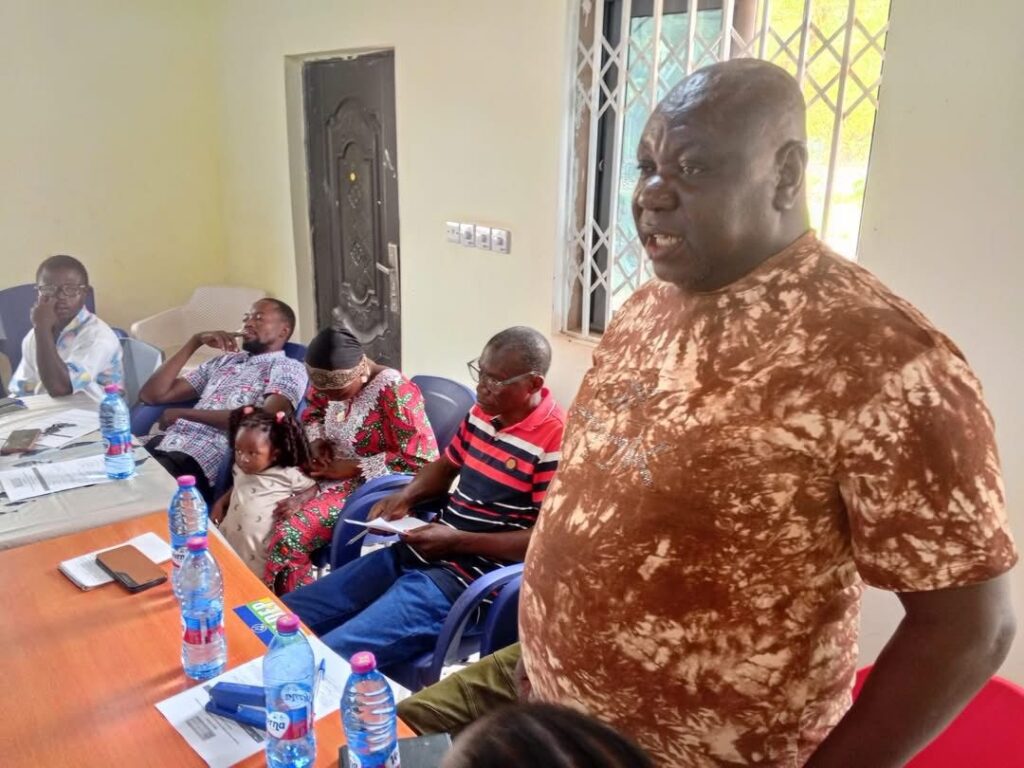
It also aims to create awareness on violent extremism and education on digital literacy, online safety, misinformation, disinformation, radicalisation, and factchecking due to the importance of accurate information in informed decision-making.
The project further aimed to promote social cohesion and inclusion through peer-to-peer engagements, cultural exchanges, sports, and other community activities that encourage interaction among different ethnic and social groups, including refugees and Fulbe communities.
Madam Abdul-Samed explained that many conflicts stem from issues such as access to water, land disputes, and misunderstandings among groups.
She cited the establishment of community peace structures that are already mediating local disputes and fostering dialogue among diverse groups as some success the project had chalked.
The Project Officer expressed optimism that marginalised groups, including refugees and Fulbe communities, would become fully integrated into community decision-making processes through the project interventions.
Mr Moses Dramani Luri, Chief Executive Officer of SILDEP, emphasised the important role stakeholders, particularly the Ghana Education Service and schools, play in combating violent extremism.
He said the project targeted both in-school and out-of-school with digital literacy and had brought together community leaders and digital literacy club facilitators to assess progress made over the past 12 months.
The participating communities were Fielmuo, Gwollu, and Kupulima in the Sissala West District, and Katinia and Kasampouri in the Sissala East Municipality.
The BRAVE Project formed part of broader efforts by the STAR-Ghana Foundation and its partners to strengthen community resilience, promote peace, and prevent violent extremism in vulnerable border communities across Northern Ghana.