
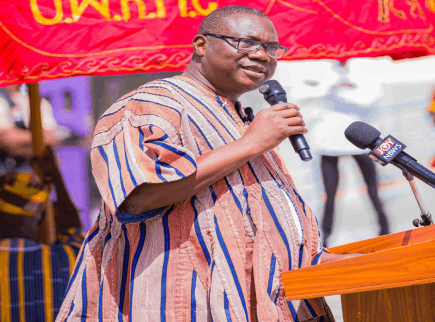
The University for Business and Integrated Development Studies (UBIDS) has achieved a 70 per cent survival rate of tree seedlings planted in 2025 as part of efforts to promote environmental sustainability and combat climate change.
The University planted 11,000 tree seedlings on the campus last year in collaboration with the Global Share Alliance (GSA), the Forestry Commission, and other stakeholders in 2025.
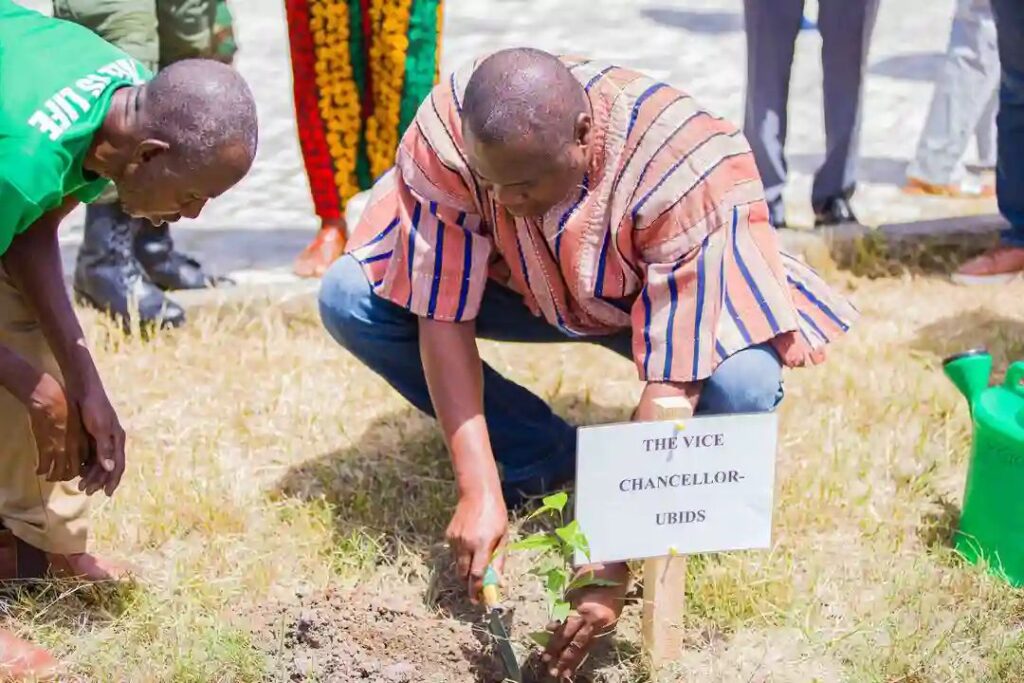
Professor Emmanuel Kanchebe Derbile, the Vice Chancellor of UBIDS, disclosed this in Wa at the weekend during a commemorative tree-planting exercise to mark this year’s World Environment Day and the 2026 Tree for Life initiative.
The event, organised by the Forestry Commission at the UBIDS campus, was held under the theme: “Forest and Economics” and brought together traditional authorities, security agencies, religious leaders, students, and development partners.
This year, the region has been tasked to plant 50,000 trees for amenity purposes, distribute 30,000 under the Tree on Farms initiative, and restore 100 hectares of degraded forest land.
Prof. Derbile indicated that they were working towards establishing a forest belt around the university’s campus to improve environmental conditions and contribute to Ghana’s climate mitigation efforts.
“If you brighten your corner and do the little that you can do, by the time we add our individual efforts together, we would have achieved something much greater that helps us improve our lives,” he said.
The VC reaffirmed the university’s commitment to partnering with stakeholders to sustain the environment, describing tree planting as critical to securing the future of the nation.
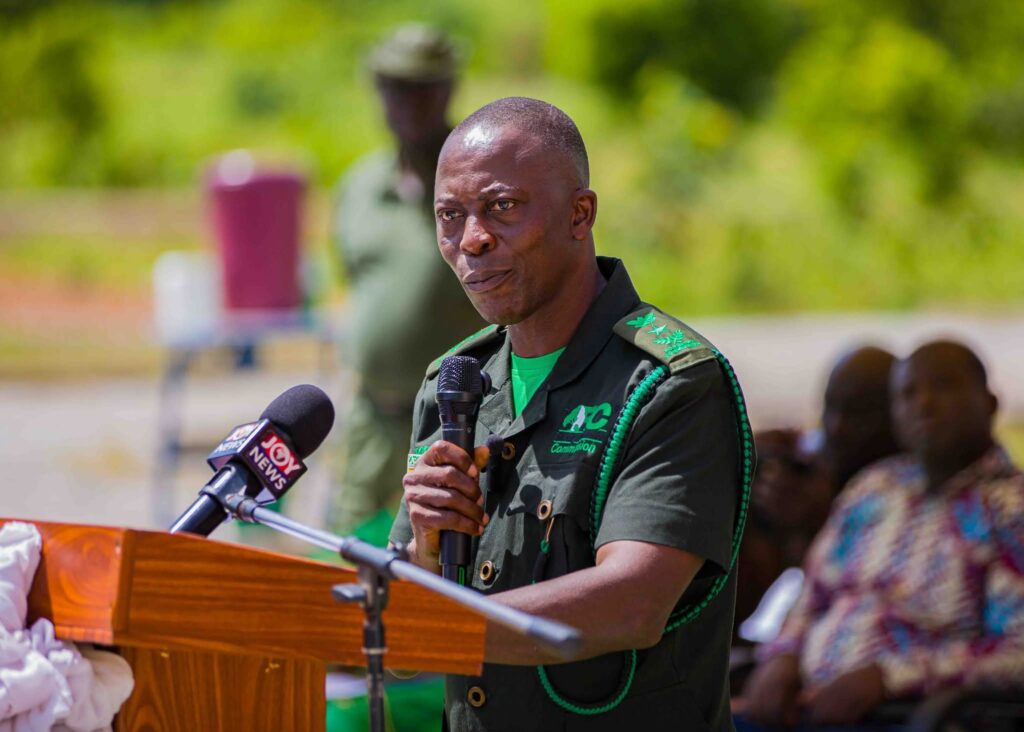
Mr Kwame Oteng Awuah, the Upper West Regional Manager of the Forestry Commission, said the region faced serious environmental threats, including uncontrolled logging, bushfires, and unsustainable farming practices.
He, however, noted that forests played a vital role in supporting sustainable economic development by protecting fertile soils, reducing the effects of desertification from the Sahel, and creating green economic opportunities for rural communities.
Mr Awuah urged the UBIDS community to take ownership of the planted trees and ensure their survival as a symbol of the university’s commitment to integrated development.
In a speech read on his behalf, Mr Charles Lwanga Puozuing, the Upper West Regional Minister, described the Tree for Life Restoration Initiative as one of the government’s flagship environmental programmes.
He said the initiative sought to restore degraded landscapes, conserve biodiversity, protect water bodies, and promote sustainable forest management across the country.
Naa Issahka K. Salia, who represented the Wa Traditional Council, called on the government to provide adequate resources to the Forestry Commission to enhance its environmental protection and restoration efforts.
He commended the UBIDS for attaining a 70 per cent seedling survival rate, expressing optimism that the rate would increase in the coming years.