
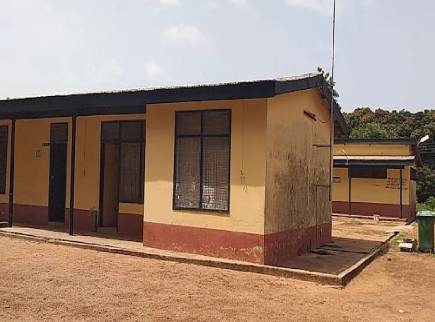
The residents of Daffiama, a community in the Daffiama-Bussie-Issa District, have raised concerns about the inadequate medicines at the health facilities in the community, which compels patients to buy medicines despite them having active health cards.
They said the problem was compounded by the poor health infrastructure in the community, which sometimes cost the lives of patients as they were forced to travel to neighbouring communities to access healthcare.
Speaking in an interview with the Ghana News Agency (GNA) at Daffiama, Mr Edward Ziema Kpieonoma, a Unit Committee Member in the community, said despite having a Community-based Health Planning and Services (CHPS) compound and a health centre in the community, accessing medicines at the two facilities remained a major challenge.
“Sometimes, with a common drug like paracetamol, you are asked to go and buy because there are no drugs, which really disturbs us a lot,” he stated.
Mr Kpieonoma said the lack of medicines had forced some community members to travel to the Health Centre at Doung, a neighbouring community, to access healthcare services, but that the distance sometimes led to preventable deaths.
He called on the government to provide medicines to the health facilities in the community to prevent residents from seeking healthcare elsewhere.
Madam Mary Nyeyere, another resident, commended the dedication of health workers at the facility but said the inadequate medicines, equipment, and space were severely undermining the quality of care available to residents.
“The doctors and nurses working in our health facilities are really, really trying for us, but most of the time when you go, they do not have medicines for you, not even paracetamol, so they ask you to buy them, ” she explained.
Madam Nyeyere added that the facility had only one small ward that served all patients regardless of age, gender, or condition, and that the ward could accommodate only up to seven people at a time.
She observed that during periods of high attendance, admitted patients were discharged prematurely to make room for others, compromising their recovery.
She also noted that the lack of equipment at the facilities forced health workers to refer patients to other facilities, adding to the burden on both patients and their families.
Madam Nyeyere, therefore, appealed to the government and other stakeholders to invest in health facilities to reduce the burden on health workers and ensure that residents had access to quality healthcare, especially in rural communities.
The people also appealed to benevolent individuals and organisations to intervene by donating medicines and equipment to the facilities in the community and expanding the infrastructure at the health centre to help improve service delivery and access.
Improving the quality of services at the health facilities in Daffiama would help contribute to Ghana achieving Sustainable Development Goal three (SDG 3), which seeks to “Ensure healthy lives and promote well-being for all at all ages.”