
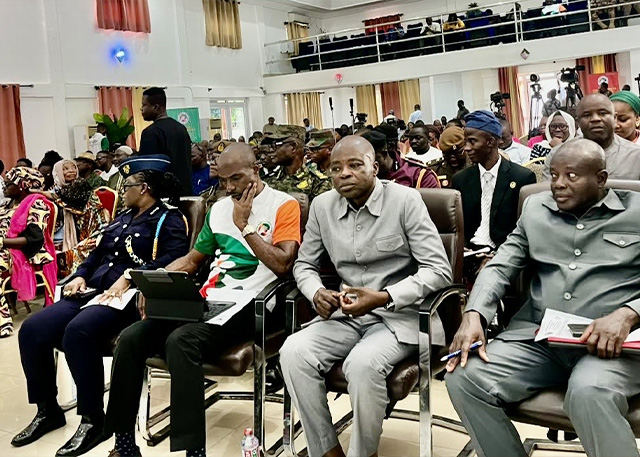
Ghana Medical Trust Fund (MahamaCares) has engaged various stakeholders in the Northern Region on its operations, and eligibility and access procedures for its interventions.
The day’s engagement, held in Tamale, sought to deepen stakeholders’ understanding of the
Fund’s mandate, strengthen regional partnerships, receive feedback from key actors, and ensure effective coordination of the Fund’s programmes and interventions.
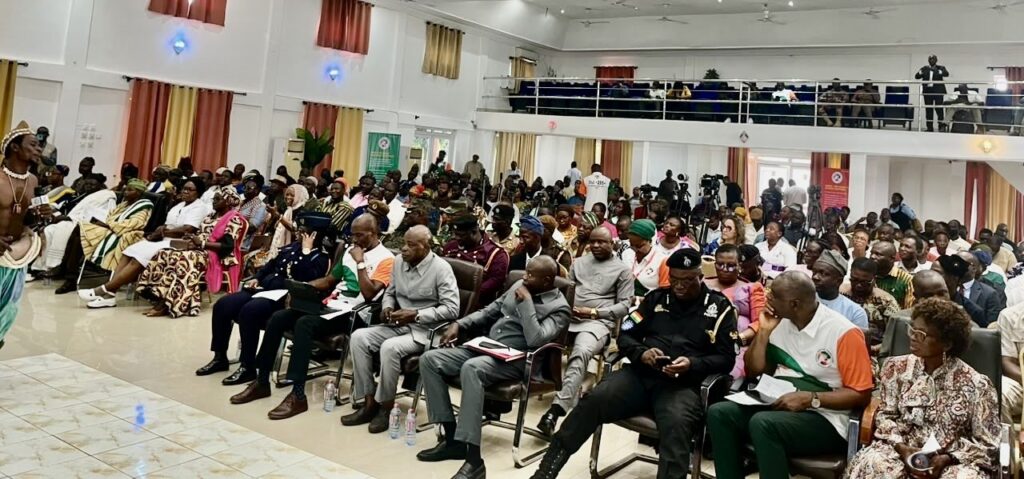
It was attended by traditional and religious leaders, health professionals, representatives of the Northern Regional Coordinating Council, Metropolitan, Municipal and District Assemblies, civil society organisations, security agencies, the media among others.
Dr William Omane-Adjekum, Acting Director of Operations, MahamaCares, who represented Mrs Adjoa Obuobia Darko-Opoku, Administrator, MahamaCares, during the engagement, said it formed part of a nationwide exercise across the regions with partner teaching hospitals on the implementation of the Fund.
The MahamaCares was established under President John Mahama’s mission to support patients requiring specialised treatment for chronic non-communicable diseases.
The key pillars of the Fund included financial support for eligible patients, investment in medical equipment and health infrastructure, specialist training and human capacity development, and medical research and innovation.
Dr Omane-Adjekum said the Fund had conducted a nationwide assessment of teaching, regional and referral hospitals to identify gaps in health care infrastructure and equipment and understand patients’ needs.
He said an initial pilot involving 50 patients across the country had helped the Fund test its processes adding it had worked with specialists and partner institutions on medicines lists and service tariffs while its care application was operational and undergoing further improvements.
He said the Fund’s infrastructure interventions included the restoration of the cardiac catheterisation laboratory at Korle Bu Teaching Hospital, support for dialysis and other critical equipment needs and efforts to expand cardiovascular care at Komfo Anokye Teaching Hospital and Tamale Teaching Hospital.
He urged stakeholders to help disseminate accurate information about the Fund in languages understood by their communities.
Mr Ali Adolf John, Northern Regional Minister said the Fund was an important part of the government’s efforts to strengthen financial protection for people living with serious illnesses.
He said although the National Health Insurance Scheme had expanded access to health care, some chronic non-communicable diseases required expensive specialist consultations, advanced diagnostic procedures, prolonged treatment and costly medicines that might not be fully covered by existing insurance arrangements.
He said Tamale Teaching Hospital and other private hospitals had been designated under the Fund to serve the region providing a basis for improving referral pathways for eligible patients.
He urged stakeholders to help support public education on the Fund, its eligibility requirements and application procedures to help establish appropriate referral pathways.
Dr Chrysanthus Kubio, Northern Regional Director of Health said early the Regional Health Directorate would intensify public education, identify patients through screening and link eligible people to the Fund.
He called for the strengthening of Yendi Municipal Hospital to provide higher-level health care services for residents of the Eastern Corridor of the region to reduce the need for patients to travel long distances to access specialised care.
Dr Abubakari Bawah Abdulai, Chief Executive Officer, Tamale Teaching Hospital, whose speech was read on his behalf, said the hospital was working with the Fund to strengthen specialist services, infrastructure and equipment.
He said construction of a state-of-the-art cardiology centre at the hospital was progressing steadily and would house a cardiac catheterisation laboratory to improve access to cardiovascular services for patients in the region and beyond.