
Ms Yvonne Wiredu-Akpabli, General Manager of Human Resource at the Ghana National Gas Company Limited, has urged HR professionals to prioritise employee development and well-being to drive sustainable workplace growth.
She said organisations must invest in employees through skills development, career opportunities and purpose-driven initiatives to improve productivity and organisational performance.
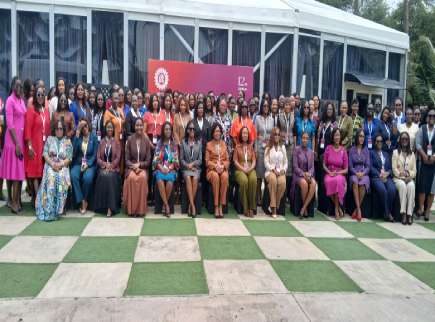
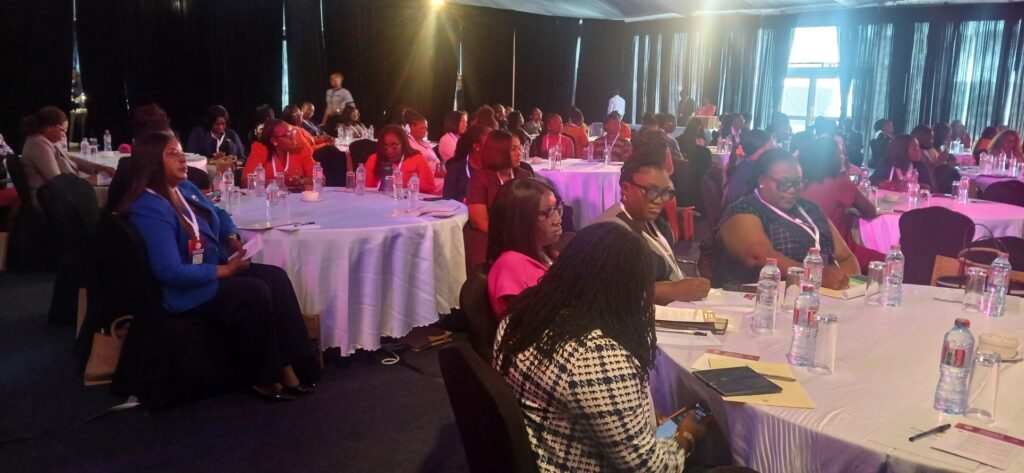
Ms Wiredu-Akpabli made the call at the 12th Women in HR Conference in Accra, organised by the Ghana Employers’ Association (GEA) on the theme: “Reimagining, Regenerating and Leading in the Human Economy.”
She said the evolving workplace, shaped by Artificial Intelligence (AI), changing employee expectations and increased competition for talent, required a new approach to human resource management.
“As HR professionals and business leaders, we find ourselves at a defining moment. Artificial Intelligence is transforming jobs, and employees are seeking greater meaning and flexibility. Organisations are competing fiercely for talent and, at the same time, stakeholders expect businesses to contribute positively to society, not merely generate profits.
“Against this backdrop, one truth has become increasingly clear: The organisations that will thrive tomorrow are those that invest in people today,” she stated.
Ms Wiredu-Akpabli said the concept of the human economy recognised employees not merely as labour or headcount but as creators of value, drivers of innovation and partners in organisational success.
“When organisations invest in people, people invest their talents back into the organisation.”
Ms Wiredu-Akpabli said HR leaders were strategically positioned to transform workplaces by shifting from focusing on how organisations could extract more from employees to creating conditions that enabled workers to reach their full potential.
Mrs Victoria Hajar, Second Vice President of the GEA, said HR practitioners must increasingly position themselves as strategic partners capable of building resilient and high-performing organisations.
She said economic growth and organisational success were ultimately driven by people, urging organisations to invest in talent development, build trust and create workplaces where employees felt valued, empowered and inspired.
Mrs Hajar said modern leadership required empathy, inclusiveness and purpose, as employees increasingly sought meaningful work, flexibility, growth opportunities and employers committed to their well-being.
“As HR leaders and practitioners, let us therefore embrace the responsibility of leading change and shaping workplaces that are adaptive, future-ready and deeply human. Let us challenge existing paradigms, rethink traditional practices and commit ourselves to building organizations where people and performance thrive together,” she said.
Madam Yvonne Asare-Yeboah, Director of Resource Development and Membership Services at the GEA, said the conference theme reflected the need for HR professionals to rethink existing practices in response to rapid technological changes.
She said participants were expected to acquire practical knowledge and strategies to navigate the future of work.
“We cannot continue to do the same thing that we have been doing because things are changing. We expect participants to return to their organisations energised, equipped with new knowledge and ready to re-strategise and build workplaces that are prepared for the future,” she said.
The two-day Women in HR Conference is an initiative of the GEA aimed at creating a platform for female HR professionals to connect, share experiences, develop leadership capacity and discuss emerging trends shaping the profession.
The conference brought together female HR professionals from across the country to deliberate on workplace transformation amid rapid technological advancement and changing expectations in the world of work.