
The Ghana Standards Authority (GSA) has urged certified electrical wiring professionals to strictly adhere to standards and continuously upgrade their skills to remain relevant in Ghana’s rapidly changing and competitive energy sector.
The Authority said adherence to standards was essential to ensuring quality, safety and professionalism in electrical installations, particularly as Ghana increasingly adopted new technologies such as solar photovoltaic systems, battery storage, smart electrical technologies and electric vehicles.
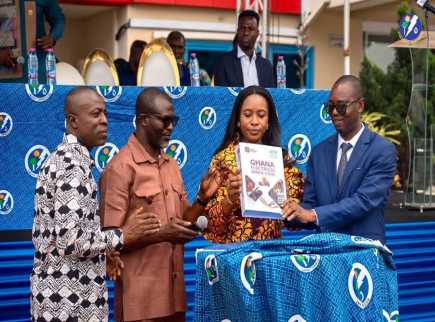
Dr Awal Mohammed, Deputy Director-General of the GSA, speaking on behalf of Professor George Agyei, the Director-General, was speaking at the 25th edition of the Electrical Wiring Certification and Awards Ceremony, and the launch of a new Electrical Wiring Code, designed for the technologies and the energy systems of today and tomorrow.
The ceremony, which was on the theme, “Setting the Standard: Powering Ghana’s Future – EV, Solar, and Beyond,” saw a total of 1036 candidates sitting for the May/June 2026 examination, of which 884 were successful, representing an 85 per cent pass rate.
Dr Mohammed congratulated the newly certified electricians, stating that their achievement represented more than the acquisition of certificates, but demonstrated their commitment to competence, professionalism, safety and quality.
He said as Ghana continued to urbanise, industrialise and expand its energy infrastructure, the demand for competent electrical professionals would continue to grow, making continuous learning and compliance with standards essential.
Dr Mohammed said electricity remained essential to homes, schools, hospitals, businesses and industries, but poorly designed, improperly installed or inadequately maintained electrical systems could result in electric shocks, fires, property damage and loss of lives.
He, therefore, urged the electricians not to compromise on the quality of materials, undertake work beyond their competence or ignore testing, inspection and safety requirements.
The Deputy Director-General said the revised Ghana Electrical Wiring Code should be considered an essential professional reference for every electrical wiring professional rather than merely a regulatory document.
“The revised code would provide guidance for the proper design, installation, testing and inspection of electrical systems, while promoting consistency in workmanship and the appropriate selection and use of electrical materials and equipment,” he stressed.
Dr Mohammed said the GSA and the Energy Commission had complementary roles in ensuring a safe and reliable electrical environment, with the Energy Commission providing the regulatory framework for electrical wiring professionals and the GSA contributing through standards development, conformity assessment and quality infrastructure.
He called for continued collaboration between the two institutions to strengthen electrical safety in the country.
“The future of Ghana’s electrical sector must be built on competence, compliance and safety,” he added.
Dr Mohammed reminded the graduates that behind every electrical installation was a person, family, business, school, hospital or community whose safety depended on the quality of work they delivered.
He urged them to demonstrate the value of their certification through the quality, reliability, and safety of every installation they undertook.
“Quality builds confidence, competence saves lives, and safety must never be compromised,” he stressed.