
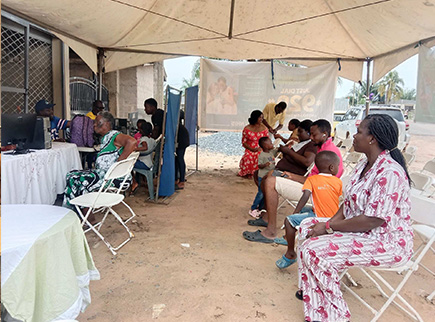
Eco Impact Network, a non-governmental organisation (NGO), has organised a sensitisation programme at Nungua-Buade on the need to stop burning household waste and adopt proper waste sorting practices to reduce pollution and protect public health.
The community engagement formed part of the organisation’s ongoing efforts to promote environmental responsibility and encourage safer waste disposal methods among residents.
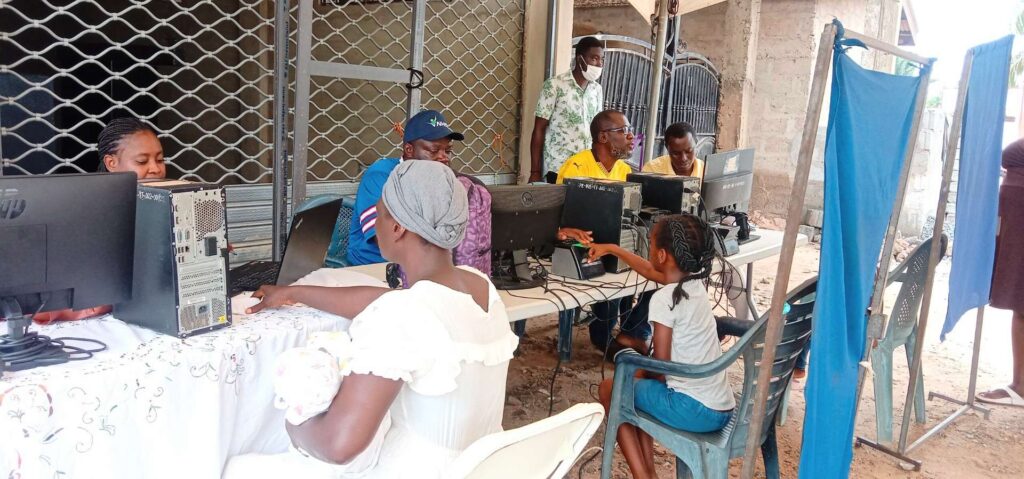
The event was accompanied by free National Health Insurance Scheme (NHIS) registration and renewal services valued at GH¢5,820.00, benefiting residents of Nungua, Spintex, Addogono, and surrounding communities.
Mrs Gifty Ofori-Yeboah, Chief Executive Officer (CEO) of Eco Impact Network, speaking on the theme, “Burn Waste, Breathe Poison,” said the programme focused on the dangers associated with open waste burning and poor waste management practices.
Mrs Ofori-Yeboah explained that the burning of waste continued to contribute to both indoor and outdoor air pollution, exposing residents to harmful smoke and toxic substances.
She stated that fumes released from burning waste could worsen the health conditions of people living with chronic diseases such as diabetes, hypertension, and respiratory illnesses.
According to her, many residents often burn mixed waste without considering the health and environmental consequences, noting that smoke from plastics and other materials contains dangerous chemicals that pollute the air and negatively affect human health.
Mrs Ofori-Yeboah said biodegradable waste such as food remains and plant materials could be buried to decompose naturally and improve soil fertility. She therefore encouraged households to use such waste for backyard gardening to help families grow vegetables while reducing the amount of waste released into the environment.
She further advised residents to separate plastic waste for recycling or reuse instead of burning it, adding that recycling plastics could help reduce environmental pollution and promote cleaner communities.
Mrs Ofori-Yeboah noted that cases of chronic cough and other respiratory conditions continued to rise, making it necessary for communities to take action against open burning. She stressed that public education remained important because many people still considered waste burning as the easiest method of waste disposal.
During an interactive session, some residents raised concerns about managing waste in apartment settings where compounds were fully cemented, making it difficult to bury biodegradable waste.
Responding to the concerns, Mrs Ofori-Yeboah acknowledged the challenge and called on property owners and community leaders to support proper waste management systems in residential areas.
She urged the public to view waste sorting not only as a sanitation issue but also as a public health and environmental responsibility, stating that protecting the environment begins with simple actions in homes and communities.
Mrs Ofori-Yeboah explained that the inclusion of the NHIS registration exercise was intended to ensure that residents had easy access to healthcare services, including medical check-ups to assess possible health effects from exposure to smoke pollution.
Mr Alfred Goddard, a beneficiary, thanked Eco Impact Network for the educational campaign, describing it as timely and insightful.
He also expressed gratitude to the organisation’s CEO for the free NHIS registration, stating that it had greatly benefited his family.