
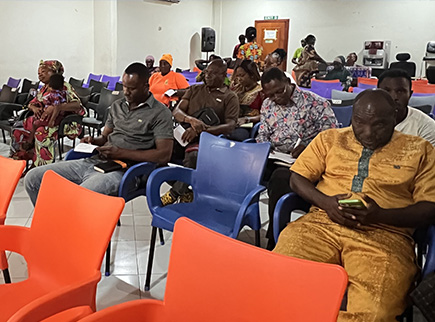
The Kpone-Katamanso Municipal Assembly (KKMA) has convened an intersectoral review meeting to evaluate the implementation of its development projects, assess financial performance, and address pressing structural and environmental challenges within the municipality.
The meeting, organised in line with the provisions of the National Development Planning (System) Regulations, 2016 (L.I. 2232), was aimed at strengthening coordination among various departments, units, and stakeholders to enhance public service delivery and drive sustainable growth.
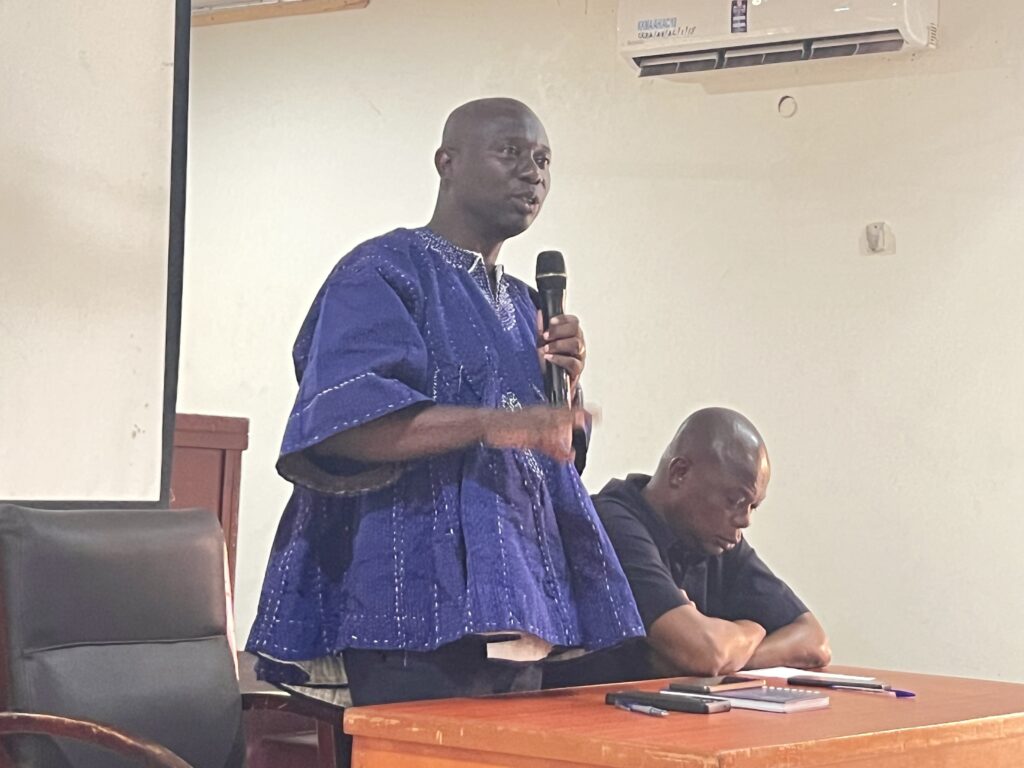
Presenting the financial updates for the first quarter of 2026, Madam Sakina Nyankamawu, the Municipal Planning Officer, revealed that the assembly generated a total revenue of GHs 12,703,596.38 against a total budgeted target of GHs 98,483,611.00 for the 2026 fiscal year.
A breakdown of the revenue indicated that internally generated funds (IGF) accrued GHs 8,733,584.17 out of an estimated annual target of GHs28,250,000.00.
Commenting on the local revenue trajectory, Ms Nyankamawu noted that “this is how much we have been able to collect as an assembly. And this gives an indication that if we continue with this effort, by the end of the year, we will meet the target for the year and see the 28 million target.”
She, however, stated that critical central government allocations experienced substantial operational delays during the period, noting that the Government of Ghana (GoG) compensation yielded GHs3,433,845.00, while the District Assemblies Common Fund for Members of Parliament (DACF-MP) and Goods & Services Decentralised Departments recorded GHs360,667.21 and GHs175,500.00, respectively.
She indicated that no disbursements were received for the Central District Assemblies Common Fund (DACF-Assembly), which has an annual projected budget of GHs53,741,129.00.
“As of now, for the 53 million we are expecting for the common fund, nothing has come for the year,” Ms Nyankamawu revealed.
The KKMA outlined a comprehensive blueprint of ongoing and upcoming infrastructure projects aimed at improving education, healthcare, and administrative capacity across several communities.
In education, the plans focus on constructing a two-storey, 12-unit classroom block with ancillaries such as a head teacher’s office and staff common room at Zenu, alongside two separate two-storey, 6-unit classroom blocks with ancillaries at Bawaleshie and Saasabi.
The assembly would also build teachers’ bungalows at Gonten and procure new furniture for schools across the municipality.
Healthcare developments included a semi-detached bungalow for CHPS compounds and a Clinical Services Block at Santeo, alongside the completion of two-storey health facilities at both Agbeshie Laryea in Katamanso and Gbetsile.
For the local economy and governance, plans are underway by the assembly to construct a highly complex, 24-hour market to be situated at Gbetsile, which will feature 132 lockable shops, 132 open sheds, a police post, a fire station, a six-bed medical clinic, an information centre, and 10 warehouses.
Others include a lorry terminal for commercial vehicles, a space allocated for large trucks, meat shops for butchers, a cold store, a refuse disposal and collection point, an open pavement area, an open area for people to sell, showers, and transit terminals.
Ms Nyankamawu confirmed that contracts for the 24-hour market were being handled partially by the national office and have been awarded with a consultant on it, stating, “They have awarded it, so very soon those around Gbetsile will see that the project has commenced.”
Mr Samuel Tetteh Kwashie Morton, the Kpone-Katamanso Municipal Chief Executive (MCE), emphasised that the gathering was firmly grounded in national legislation designed to foster institutional synergy.
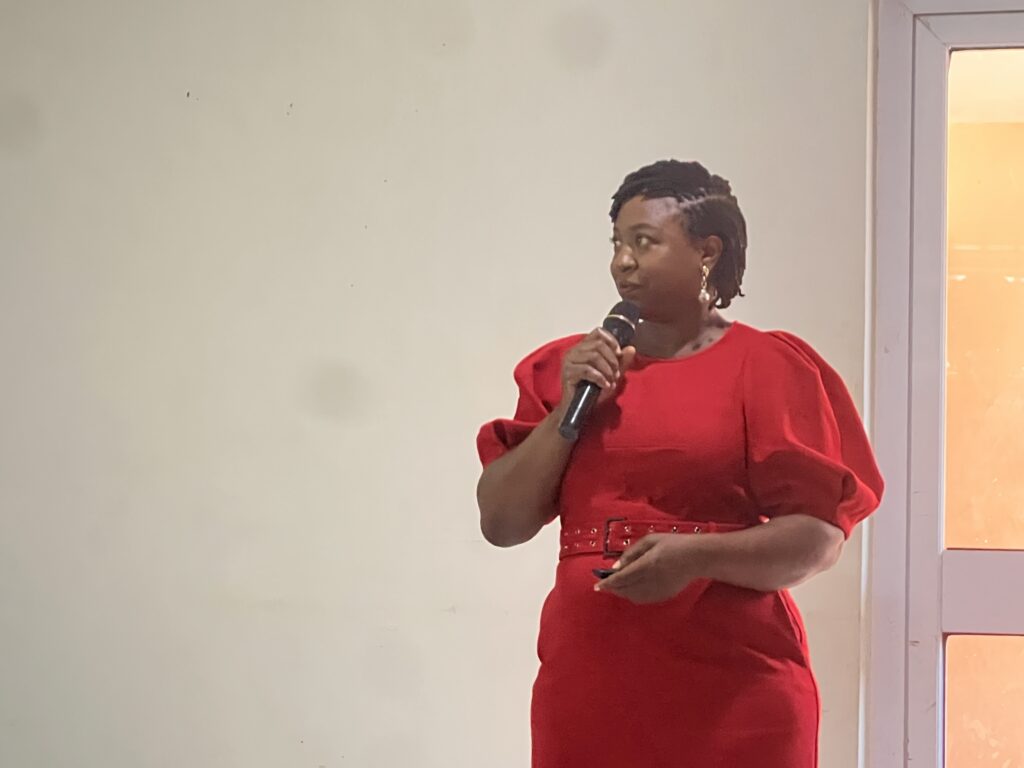
He noted that the forum was organised in strict accordance with the law to ensure all key stakeholders work in tandem rather than in isolation.
He explained that under the framework of the Local Governance Act, Act 936, 2016, Section 81assembly departments were legally required to cooperate with non-decentralised departments, public corporations, and state-owned enterprises to ensure a coordinated approach to the development and management of the district.
Mr Morton underscored that the primary objective of this legislative mandate was to maximise efficiency and eliminate waste within municipal operations.
He urged leaders of the various sectors to actively participate in the assembly’s sub-committees and share vital information to streamline public infrastructure and social interventions to ensure more convenient and cost-effective implementations of programmes and projects.
“So, if a household needs water, and Ghana Water is coming to do the connections, and the service line, you have to cross the street, what it means is that Ghana Water plus the Urban Roads Department plus the assembly engineers will have to collaborate,” he explained.