
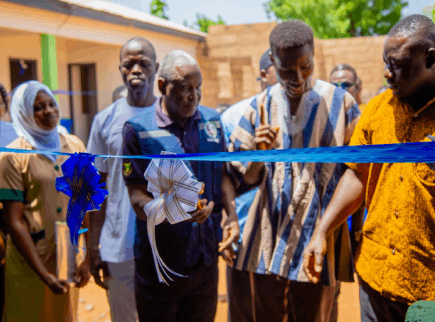
WaterAid Ghana, an international non-government organisation (NGO), committed to child welfare, has commissioned water, sanitation, and hygiene (WASH) facilities at the Sauli and Ul-Dantie Health Centres in the Jirapa Municipality to help improve access to WASH services at the health facilities.
The WASH facilities would also improve healthcare delivery and general health outcomes for thousands of people who rely on those health facilities for service delivery, particularly women, children and vulnerable populations, while advancing national and global development priorities.
It was also expected to strengthen infection prevention and control, improve maternal and child healthcare services, and ensure access to safe WASH services at the two health facilities.
WaterAid Ghana implemented the intervention in partnership with institutions, including the Ministry of Health, with support from the government of Canada through Global Affairs Canada under the Increase Gains in Nutrition by Integration, Education, Evaluation and Empowerment (IGNIT3) Project.
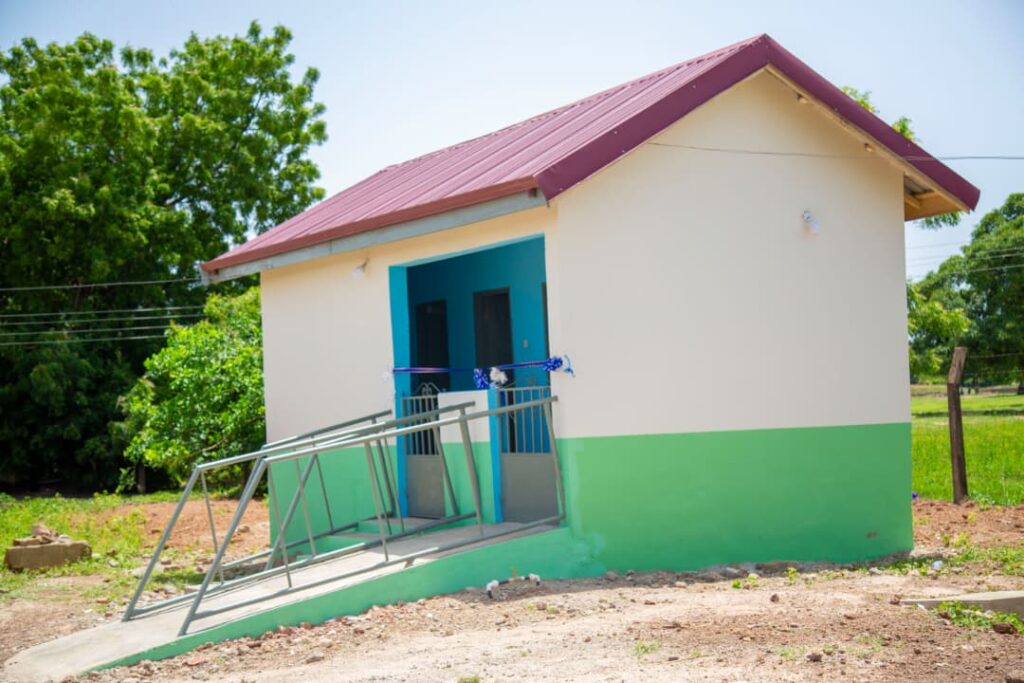
Speaking at separate ceremonies at Sabuli and Ul-Dantie to commission the facilities, Mr Yussif Yakubu, Project Assistant at WaterAid Ghana, explained that the NGO had earlier constructed water facilities for the two communities to improve water access at both communities and health facilities.
He explained that the latest intervention sought to address sanitation and hygiene challenges within the health facility and improve the quality of healthcare services.
The intervention included renovation of toilet facilities and construction of new ones, construction of handwashing stations at critical service points, and construction of breastfeeding corners, among others.
Mr Yakubu said they were also constructing incinerators at two health centres to support the safe disposal of medical waste.
“We realised that in the whole of the municipality, we had only one incinerator, which is at the hospital there (St. Joseph’s Hospital), and every month they have to go around to all the facilities pick up their waste to the hospital to burn,”, he explained.
Mr Fidelis Batatu Kaaninge, the Sabuli Health Centre In-Charge, expressed gratitude to WaterAid Ghana and its partners for the intervention and said patients, hitherto, sometimes resorted to defecating in bushes.
He said the interventions would significantly improve the comfort, dignity and safety of patients, especially pregnant women and nursing mothers in accessing WASH services.
Mr Kaaninge added that the project had also helped address the menace of open defecation and promote healthier behaviours in Sabuli and surrounding communities through WASH sensitisation.
Mr Edward Kaaih, Acting Jirapa Municipal Health Director, observed that reliable WASH services were essential for ensuring quality healthcare delivery.
He urged the community members and health staff to properly maintain the facilities to maximise their benefits and for posterity.
Mr David Yere, Director of Catholic Health Service Trust, Wa Diocese, described the intervention as timely, as it had helped address pressing infrastructural needs of the facilities.
He assured the benefactors that the facilities would allocate part of their internally generated funds towards maintaining the infrastructure.
The IGNIT3 project was expected to impact over 30,000 people, including health workers, women, children and adolescent girls in the Upper West, Greater Accra, Northern and Oti Regions.
It aligned with WaterAid Ghana’s 2023-2028 Country Strategy, which sought to improve health outcomes through inclusive and sustainable WASH services.
The strategy also sought to contribute to achieving Sustainable Development Goal Six and Universal Health Coverage in Ghana.