
Ghana is developing strategies to harness migration and diaspora remittances into its medium- and long-term development agenda to create jobs and drive sustainable economic transformation.
In 2025 alone, the country received an estimated US$7.8 billion in remittances, representing nearly seven per cent of Gross Domestic Product (GDP).
Despite their resilience and scale, a significant proportion of these inflows is channelled into household consumption, with limited impact on savings and productive investment.
Dr Audrey Smock Amoah, Director-General of the National Development Planning Commission (NDPC), said the Commission had developed a toolkit in collaboration with the United Nations Economic Commission for Africa (UNECA) to integrate diaspora contributions into national and sub-national development plans.
A speech delivered on her behalf by Mr Richard Tweneboah Kodua, Director of Research and Innovation at the NDPC, said the initiative sought to mainstream migration and remittances into development planning frameworks.
Dr Amoah noted that an estimated 1.7 million Ghanaians live abroad across more than 50 destinations worldwide, with their remittances sustaining households, supporting education and health, and strengthening local economic activities.
“This presents a clear opportunity for us to better harness diaspora resources for sustainable development, job creation, and economic transformation,” she said.
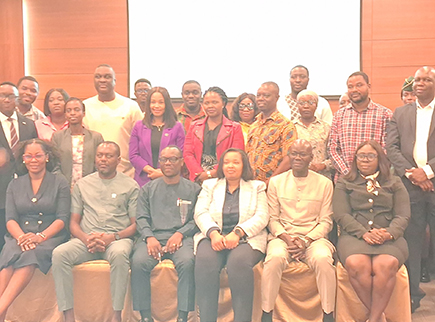
The capacity-building workshop brought together representatives from the Ministry of Labour and Employment, Ministry of Youth Development and Empowerment, the Ghana Statistical Service, the Bank of Ghana, and Metropolitan, Municipal and District Assemblies.
Participants were trained on how to reflect migration dynamics and diaspora contributions in their respective development plans.
Mr Amadou Diop, an Economic Affairs Officer at UNECA, said since 2024 the Commission had engaged six African countries, including Ghana, Comoros and Tunisia, to explore best practices for leveraging diaspora inflows to reduce poverty and enhance economic growth.
He stressed that the success of the initiative depended on the active participation and commitment of institutions to ensure diaspora contributions were translated into tangible development outcomes.